
Animated Music Video Services: Choosing the Right Visual Format

Animated music video services are no longer one fixed production choice. An artist can release a hand-drawn lyric world, a 3D CGI performance, an AI-assisted concept film, a digital avatar video, a vertical social-first loop, or an immersive scene that later becomes part of a live show.
That creative range is exciting, but it also makes planning harder. The best visual format is not simply the newest one. It is the format that fits the song, budget, release timeline, artist identity, campaign assets, and the way fans will experience the track.
This guide compares the major animated music video options and shows how artists, labels, and creative teams can choose a production path before committing to final animation, CGI, motion capture, or AI-assisted visuals.
Table of Contents
What Animated Music Video Services Include
Animated music video services can cover concept development, visual direction, storyboards, character design, environment design, 2D animation, 3D animation, motion capture, editing, compositing, AI-assisted look exploration, and campaign deliverables. The scope depends on whether the project is a full narrative video, a performance visualizer, a lyric video, or a release-world asset system.
For artists exploring 3D music video production, animation often becomes more than a single video. The same world can support teasers, album visuals, vertical cutdowns, stage screens, fan loops, or later immersive extensions.
Creative direction: mood, references, story logic, color, movement, and emotional arc.
Production build: characters, environments, animation tests, compositing, edit rhythm, and visual effects.
Campaign output: hero video, short clips, loops, stills, thumbnails, album-art support, and tour visuals.

2D, 3D, AI, Avatar, and Immersive Formats Compared
The format should come from the song and the release strategy. A high-energy single may need fast 3D motion and strong social hooks. A vulnerable track may need expressive 2D art. A futuristic artist brand may need an avatar or virtual world. A dance-led campaign may need motion capture before animation begins.
2D animation: best for emotional storytelling, lyric-led visuals, painterly worlds, and stylized identity.
3D CGI: best for cinematic environments, digital doubles, product-like polish, virtual sets, and reusable assets.
AI-assisted production: best for rapid concept exploration, reference testing, look development, and controlled experimental styles.
Avatar videos: best when the artist wants a repeatable digital identity across videos, socials, concerts, and fan spaces.
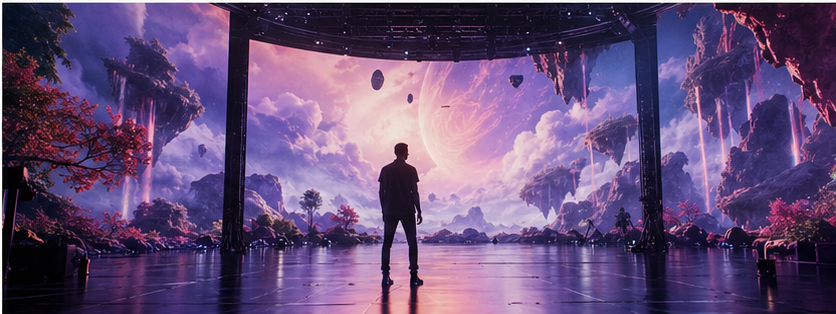
Immersive formats: best for VR music videos, virtual stages, interactive release worlds, and spatial fan experiences.
For many campaigns, the answer is a hybrid. An artist can use AI for early look exploration, 3D for the core video, motion capture for performance, and 2D overlays for lyric moments. The key is deciding which layer carries the emotional center.
Benefits of Choosing the Right Animated Format
A strong format decision saves time because every production choice starts pointing in the same direction. Directors can approve the visual world earlier, animators know what needs detail, and marketing teams know which assets can support the campaign.
Clearer artist identity: the visual language supports the song instead of competing with it.
Better budget control: the team knows where polish matters and where simpler animation is enough.
More campaign value: one world can create video cuts, stills, loops, stage moments, and promotional art.
Faster approvals: labels, managers, and artists can review fewer but stronger creative routes.
This is why early planning tools such as AI music video storyboards and music-video previsualization are useful before final production. They turn taste into testable decisions.

Use Cases for Artists, Labels, and Campaign Teams
Different teams need different outputs. A debut artist may need a memorable world on a focused budget. An established artist may need a visual system that extends into tours and social campaigns. A label may need assets that keep a release active for weeks after the main video drops.
Independent artists: lyric animation, performance visualizers, stylized loops, and sharp social cutdowns can deliver impact without overbuilding.
Labels and managers: 3D worlds, vertical edits, album-art stills, and teaser assets help one campaign feel unified.
Artists building a persona: a digital avatar can connect videos, covers, livestreams, live screens, and fan spaces.
Immersive teams: VR scenes and virtual stages need world design that can support spatial viewing, not only a flat edit.
For artists already thinking beyond one video, artist avatar strategy can help keep each release connected instead of starting from zero every time.

Planning Checklist Before Production Starts
Animation rewards clarity. Before production begins, the team should agree on the song sections, emotional beats, release goals, format priorities, approval process, and the assets that need to exist after the video is complete.
Song map: mark intro, chorus, bridge, drops, lyric hooks, and performance moments.
Look direction: collect references for color, texture, movement, character style, and camera energy.
Asset list: define hero video, vertical clips, stills, album visuals, tour screens, and teaser loops.
Rights and approvals: confirm who can approve likeness, AI references, reusable avatars, and future campaign uses.
Technical path: decide whether the video needs 2D, 3D, motion capture, live action plates, AI exploration, or immersive delivery.
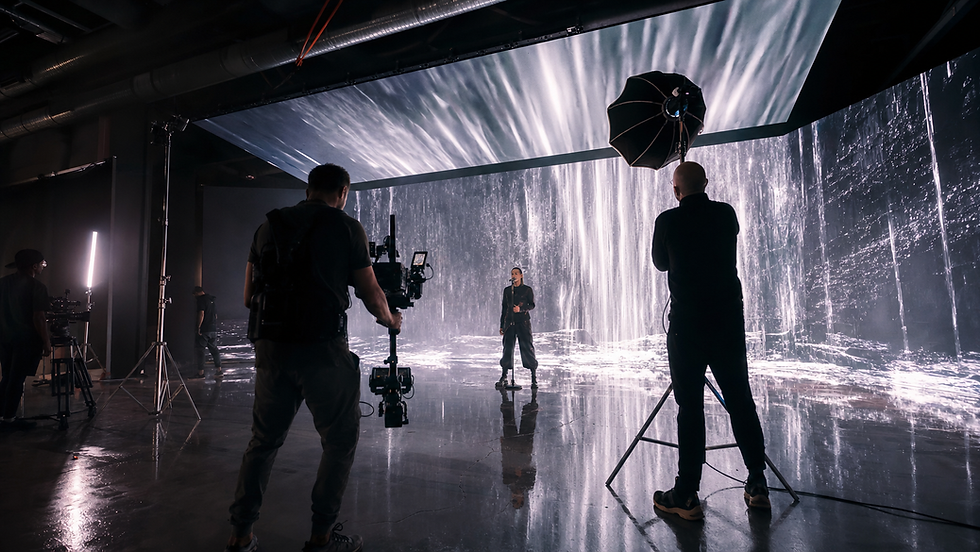
If the project involves CGI sets or virtual stages, connect this stage to virtual production planning so the creative route is practical before expensive builds begin.
Mistakes to Avoid When Commissioning Animation
Most weak animated music videos fail before animation begins. The issue is usually not the software. It is an unclear brief, a format chosen for novelty, or a campaign plan that treats the video as a one-time file instead of a visual world.
Choosing AI or 3D only because it sounds current, without defining what it adds to the song.
Overbuilding scenes that appear for two seconds while underbuilding the hook moments fans will remember.
Forgetting vertical edits, thumbnails, loops, and short-form release assets until the final week.
Using likeness, avatar, or generated references without a clear approval boundary.
KPIs for Measuring Animated Music Video Success
A music video is emotional, but the campaign around it can still be measured. The right KPIs show whether the format helped the song travel, made the artist easier to recognize, and created assets that extended the release.
Video performance: watch time, completion rate, rewatches, saves, shares, comments, and fan edits.
Campaign output: number of usable cutdowns, loops, stills, teasers, and live-screen assets.
Brand memory: whether fans recognize the artist's visual world across posts, covers, and future releases.
Production efficiency: fewer late resets, cleaner approvals, and better reuse of characters, environments, and edits.
For immersive campaigns, also track how the animated world supports VR music videos, virtual concerts, and post-release fan experiences.

Responsible AI, Likeness, and Rights Planning
Animated music videos increasingly touch sensitive identity materials: artist scans, performance references, motion data, AI concept images, unreleased songs, and avatar designs. These materials should be governed before production files start moving between teams.
A responsible plan defines what AI can support, who approves likeness-based outputs, where avatar files are stored, and whether the visual world can be reused for future campaigns. This matters especially when the work connects to digital avatars for music videos or interactive fan spaces.
Consent: confirm approved uses for face, body, voice references, motion data, and AI-assisted tests.
Storage: decide who can access scans, rigs, references, unreleased concepts, and animation files.
Approval: require review for campaign reuse, brand partnerships, interactive formats, and future visual worlds.
Boundaries: keep the artist's authorship clear when generated references influence the final style.
Future Trends in Animated Music Video Production
Animated music video production is moving toward real-time creative direction. Artists will be able to review avatar movement earlier, test multiple visual styles faster, and turn one music-video world into a broader release ecosystem.
Real-time 3D review will shorten the distance between concept, camera test, and final animation.
AI-assisted visual exploration will speed up references while making human approval and rights rules more important.
Avatar-led identity systems will help artists connect videos, album visuals, live screens, and fan experiences.
Immersive release worlds will blur the line between a music video, a virtual concert, and a spatial fan room.
For teams exploring AI in music video and virtual concerts, the best long-term decision is to treat the animated world as an asset system from the start.
FAQ
What are animated music video services?
They include creative direction, storyboards, 2D or 3D animation, motion capture, AI-assisted concepting, editing, compositing, and campaign assets for a music release.
Is 2D or 3D better for a music video?
2D is often stronger for expressive illustration and lyric-driven storytelling. 3D is stronger for CGI environments, digital avatars, reusable worlds, and cinematic camera movement.
Can AI be used in animated music video production?
Yes, AI can support reference exploration, concept variations, and early look development. It should still sit inside a human-led creative and rights approval process.
When should an artist use a digital avatar?
Use an avatar when the artist wants a repeatable identity that can appear across videos, live screens, social clips, virtual concerts, and immersive fan experiences.
What should be prepared before commissioning an animated music video?
Prepare the track, lyrics, release goals, visual references, song section map, required campaign assets, approval owners, budget range, and any likeness or AI boundaries.
Do animated videos work for independent artists?
Yes. Independent artists can use focused lyric animation, visualizers, loops, or limited 3D scenes when the format is planned around the strongest moments of the song.
How do animated music videos support social campaigns?
A planned animated world can produce vertical edits, loops, stills, teasers, thumbnails, album-art support, and short-form clips without rebuilding the campaign from scratch.
Can an animated music video become an immersive experience?
Yes. If the world is designed as reusable 3D assets, it can later support VR scenes, virtual concerts, stage visuals, fan rooms, and interactive campaign moments.
Conclusion
The right animated music video format turns a song into a recognizable visual world. It clarifies the creative direction, protects the production budget, supports social assets, and gives fans a stronger identity to remember after the release.
For artists and labels, the best choice is rarely animation for animation's sake. It is the format that makes the performance more vivid, the story easier to feel, and the campaign easier to extend across every platform.
For animated music video services, 3D CGI production, AI-assisted concepting, avatar-led visuals, and immersive release worlds, explore Mimic Music Videos before your next single moves from track to screen.


Comments