
Music Video Production Cost: 2026 Budget Guide
Updated: Jul 23

How much should an artist or label realistically budget for a music video in 2026?
The honest answer is that music video cost depends less on a single day of filming than on the complete production system behind the finished release. Concept development, locations, performers, camera and lighting, motion capture, 3D assets, animation, visual effects, editing, color, sound, delivery formats, and revision rounds all shape the final number. A simple performance video can stay lean, while an avatar-led CGI world may require a deeper investment but also create reusable assets for future campaigns.
This guide explains how to estimate a professional budget without relying on vague package prices. It is written for independent artists, managers, labels, and creative teams deciding where to spend, where to simplify, and when digital production can replace expensive physical logistics. The goal is not to chase the cheapest number. It is to connect every line item to the audience experience and the release plan.
Table of Contents
How Much Does a Music Video Cost?

A professionally produced music video can range from a tightly controlled low-budget shoot to a six-figure cinematic production. For most artists, the useful question is not whether a video costs €5,000, €25,000, or €100,000. It is what creative promise each budget level can reliably deliver. A lower budget can produce a strong result when the concept is designed around one memorable performance, one controlled location, a compact crew, and an edit that supports the song. Problems begin when a small budget is expected to carry many locations, complex choreography, custom sets, celebrity casting, heavy VFX, and endless revisions.
Start by defining the release job. Is the video the main campaign centerpiece, a visualizer for an existing audience, a proof of concept for label conversations, or the first chapter of a larger avatar world? The answer changes how much value the production must create. A flagship single may justify custom digital assets that continue into social clips, cover art, tour visuals, and virtual performances. A supporting release may benefit more from a concentrated performance format.
Mimic’s 3D music video production services combine scanning, modeling, rigging, motion capture, animation, real-time rendering, and AI-enhanced workflows. That integrated model makes it easier to identify which costs create lasting value instead of treating production and post-production as disconnected purchases.
A practical estimate should therefore include both the visible shoot and the invisible finishing work. Ask for assumptions, deliverables, revision limits, ownership terms, aspect ratios, and reuse rights in writing. A quote with those details is more meaningful than a headline price that excludes the work needed to finish and launch the video.
What Actually Drives Music Video Production Costs?
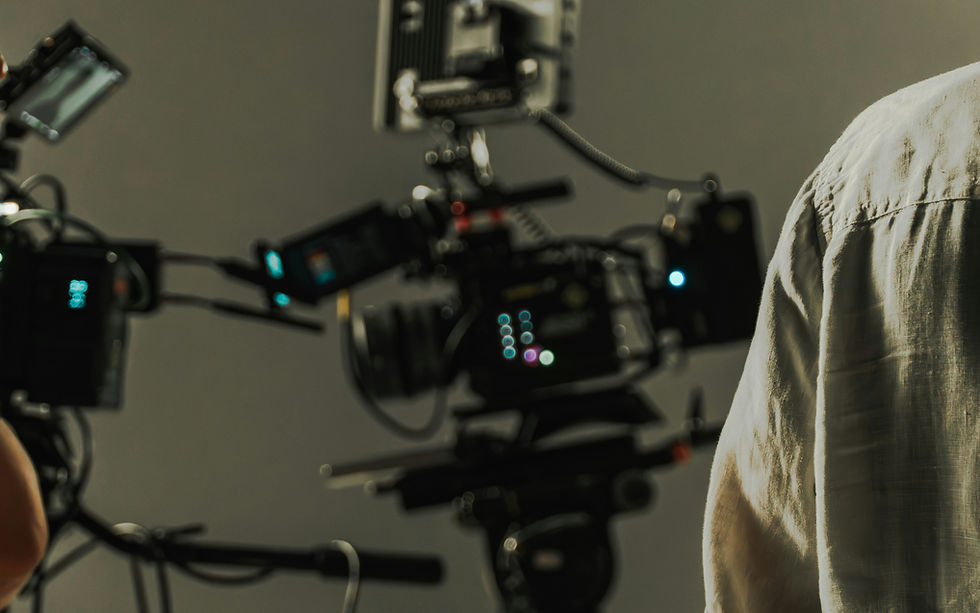
The concept is the first cost driver because it determines almost everything that follows. A narrative with several locations creates transport, permits, company moves, art direction, continuity, wardrobe, catering, and overtime risk. A performance staged inside a designed CGI environment may reduce location complexity but increase previsualization, asset creation, animation, and rendering. Neither route is automatically cheaper; the efficient route is the one whose production method fits the idea.
Crew and equipment are the next major variables. Director, producer, cinematographer, camera team, lighting, grip, art department, styling, hair and makeup, choreography, playback, data management, and production assistants may all be required. A smaller crew saves money only when the schedule and technical plan remain realistic. Overloading a few people can create missed shots, weak lighting, unsafe working conditions, or expensive fixes later.
Pre-production: creative treatment, schedule, shot list, storyboard, casting, location planning, technical tests, and approvals.
Production: crew days, performers, camera and lighting packages, studio or location fees, travel, insurance, catering, and overtime.
Post-production: edit, conform, color grade, cleanup, compositing, animation, sound finishing, titles, subtitles, and platform versions.
Digital asset work: 3D scanning, modeling, rigging, hair and cloth, motion capture cleanup, virtual cameras, environments, simulation, and rendering.
Contingency: typically reserved for schedule changes, pickup shots, asset revisions, render failures, and delivery changes.
Good planning often saves more than aggressive day-rate negotiation. A detailed music video previsualization process can expose expensive camera moves, missing coverage, set problems, and timing issues before the team reaches the studio.
For performance-heavy work, motion capture music video production can shift spending from repeated physical setups into reusable digital performance data, especially when the artist needs multiple campaign outputs.
Budget Tiers: Lean, Hybrid CGI, and Full Virtual Production

Three broad production approaches help teams frame the budget conversation. These are not fixed price packages; they describe where the effort sits. A lean performance-led project concentrates resources on the artist, camera language, lighting, and edit. A hybrid production combines filmed or captured performance with selected CGI environments and VFX. A full virtual production invests more heavily in digital doubles, motion capture, custom worlds, real-time stages, animation, and reusable assets.
Lean performance-led production: best for one controlled location and a focused artist performance; the main cost drivers are crew size, camera and lighting packages, studio time, and edit days.
Hybrid CGI production: best for filmed or captured performance inside selected digital worlds; the main cost drivers are capture, 3D asset creation, animation, compositing, rendering, and approvals.
Full virtual production: best for avatar-led or environment-heavy releases; the main cost drivers are scanning, rigging, motion capture, real-time stages, virtual cameras, animation, and VFX supervision.
Lean does not mean visually weak. One iconic set, a disciplined color palette, purposeful choreography, and a strong lensing plan can outperform a scattered production with more locations. The constraint must be visible in the creative treatment from the beginning. If the idea depends on scale, transformation, impossible camera moves, or a persistent avatar identity, forcing it into a conventional low-budget shoot can create an expensive compromise.
Artists comparing visual formats should review the guide to animated music video services. It explains how 2D, 3D, AI-assisted, avatar, lyric, and immersive approaches place effort in different parts of the pipeline.
A digital avatar strategy can justify a larger first-project investment when the same character, wardrobe, rig, and visual world will support several singles, album artwork, virtual concerts, and fan content.
Before choosing a tier, list the assets that will exist after launch. A conventional shoot may deliver one master video plus cutdowns. A digital production can also produce reusable characters, sets, cameras, motion clips, poses, stills, and interactive-ready elements. Comparing only the first video price hides that longer-term value.
How CGI, AI, and Motion Capture Change the Budget

CGI changes the shape of a music video budget by moving more decisions into pre-production and asset development. The team must define the visual world, build or adapt environments, create materials, light scenes, animate cameras and characters, simulate effects, render, composite, and review. This can seem less tangible than a location invoice, but it offers control: weather, geography, scale, and impossible transitions become design choices instead of physical constraints.
Motion capture can reduce some animation time while preserving the artist’s phrasing, weight, rhythm, and stage presence. It still requires planning, calibration, clean performance takes, data cleanup, retargeting, facial work, and artistic polish. The value is highest when the captured performance will be used in several scenes or future releases. One capture session can become a library rather than a single disposable shot.
The CGI and VFX music video guide shows how compositing, digital environments, artist avatars, and AI-enhanced concept development work together across a release.
AI can speed up reference exploration, mood development, selected cleanup tasks, and some iteration, but it should not be treated as a substitute for direction, rights clearance, continuity, or final craft. The site’s AI music video production plan explains how to keep likeness consent, visual identity, and human approvals inside the workflow.
Budget for rights and governance as seriously as rendering. Confirm who owns the artist scan, character model, rig, performance data, prompts or generated source material, final masters, and reusable campaign assets. Clarify whether vendors may train systems on private material and whether likeness use is limited to the approved project. A cheaper quote with vague ownership can become the most expensive option later.
How to Control Costs Without Flattening the Creative Idea

Cost control works best when the creative team ranks what the audience must remember. Choose one hero image, one signature performance behavior, and one visual transformation that carries the concept. Protect those elements. Simplify the connective material around them. This approach is more effective than cutting every department evenly, because equal cuts often weaken the defining image while leaving less important complexity untouched.
Lock approvals in stages. Approve the treatment before detailed boards, approve boards before asset production, approve animatics before final animation, and approve the edit structure before expensive finishing. Each gate should name the decision-maker and the deadline. Late feedback from an unlisted stakeholder can trigger rebuilds that no contingency was designed to absorb.
Create one master brief covering audience, song structure, visual references, must-have shots, deliverables, rights, and schedule.
Design for a controlled number of locations or digital environments, then vary lighting, lenses, framing, and performance.
Capture vertical and square-safe compositions during production instead of creating every social version from compromised crops.
Reuse approved 3D assets and motion data across teasers, covers, stage visuals, press stills, and future singles.
Limit revision rounds and separate creative changes from technical corrections so approvals stay accountable.
For environment-heavy ideas, virtual production for music videos can reduce reshoot risk by testing digital sets, camera paths, lighting, and performance blocking earlier.
When the release needs an artist double, review how digital avatars for music videos turn scanning, rigging, animation, and identity governance into a repeatable production system.
Finally, keep a 10–15 percent contingency for genuine uncertainty. Do not pre-spend it by adding optional scenes. A contingency protects the core work from weather, illness, equipment failure, render issues, music changes, or unexpected delivery requirements. If it remains unused, it can fund additional campaign cutdowns after the master is approved.
Frequently Asked Questions
How much does a professional music video cost?
Professional budgets vary widely. A focused performance concept may use a compact crew and one location, while a CGI or avatar-led production can require extensive scanning, animation, VFX, and rendering. Compare scope, deliverables, revisions, rights, and reusable assets rather than relying on one average price.
What is the biggest music video cost driver?
The concept is usually the biggest driver because it determines locations, crew, schedule, equipment, art direction, capture methods, post-production, and delivery complexity. A clear concept built for the available resources is the strongest form of cost control.
Can an independent artist make a professional low-budget music video?
Yes. Concentrate resources on one strong performance, controlled lighting, a memorable setting, and a disciplined edit. Avoid writing a multi-location narrative that depends on production scale the budget cannot reliably support.
Is CGI cheaper than filming on location?
Sometimes, especially when the idea needs impossible environments, repeated location changes, dangerous setups, or extensive reshoots. CGI has its own costs for assets, animation, lighting, rendering, and compositing, so the comparison must be made against the exact concept.
Does AI reduce music video production costs?
AI can accelerate selected concepting, reference, and finishing tasks, but it does not remove the need for direction, continuity, consent, rights checks, or professional review. Savings are real only when the AI workflow is planned and approved rather than added as uncontrolled experimentation.
What should be included in a music video quote?
Look for pre-production, crew, equipment, locations or studio, art and styling, capture, edit, color, sound, VFX or animation, render, delivery formats, revision rounds, travel, insurance, usage rights, asset ownership, schedule, and tax assumptions.
How much contingency should a music video budget include?
A common planning range is 10–15 percent, adjusted for location risk, travel, weather, technical novelty, compressed schedules, and uncertain deliverables. The contingency should remain protected until the master is nearly approved.
Can 3D assets be reused after the music video?
Yes, if ownership and usage rights are defined. Models, rigs, environments, motion data, virtual cameras, poses, and stills can support social content, album artwork, tour visuals, virtual performances, games, and future music videos.
How can artists avoid expensive revisions?
Use staged approvals for treatment, storyboard, animatic, asset look development, edit, and final finishing. Name one decision-maker, gather feedback into one list, and distinguish creative changes from technical corrections.
When should an artist contact a virtual production studio?
Contact the studio before the treatment is locked when the concept involves avatars, motion capture, CGI environments, virtual cameras, AI-enhanced visuals, or reusable digital assets. Early technical input can reshape the idea before expensive assumptions harden.
Conclusion
The right music video budget is the smallest investment that can deliver the intended audience experience without pushing essential work into unpaid fixes, rushed approvals, or unclear rights. Begin with the release goal, design the concept around the production method, document every deliverable, and protect the one or two images that make the video memorable.
Ready to scope a cost-efficient CGI, avatar, motion capture, or virtual production approach? Explore Mimic Music Videos services or contact the Berlin production team to turn your track, schedule, and campaign goals into a practical production plan.


Comments