
Music Video Distribution: A Complete Guide for Artists

How do you turn one finished music video into a coordinated release across YouTube, Vevo, streaming platforms, social media, press, and fan channels?
Music video distribution is the process of preparing, delivering, publishing, and promoting a finished video so it reaches the right platforms in the correct technical and rights format. It is not the same as uploading one file to YouTube. A complete distribution plan connects the master video, channel ownership, metadata, release timing, social cutdowns, press assets, audience targeting, and performance tracking.
This guide gives independent artists, labels, managers, and creative teams a practical 2026 workflow. It explains how direct uploads differ from distributor-led delivery, what to prepare before launch, how to avoid channel and rights conflicts, and how production choices can create more campaign value after the premiere.
Table of Contents
What Music Video Distribution Actually Means
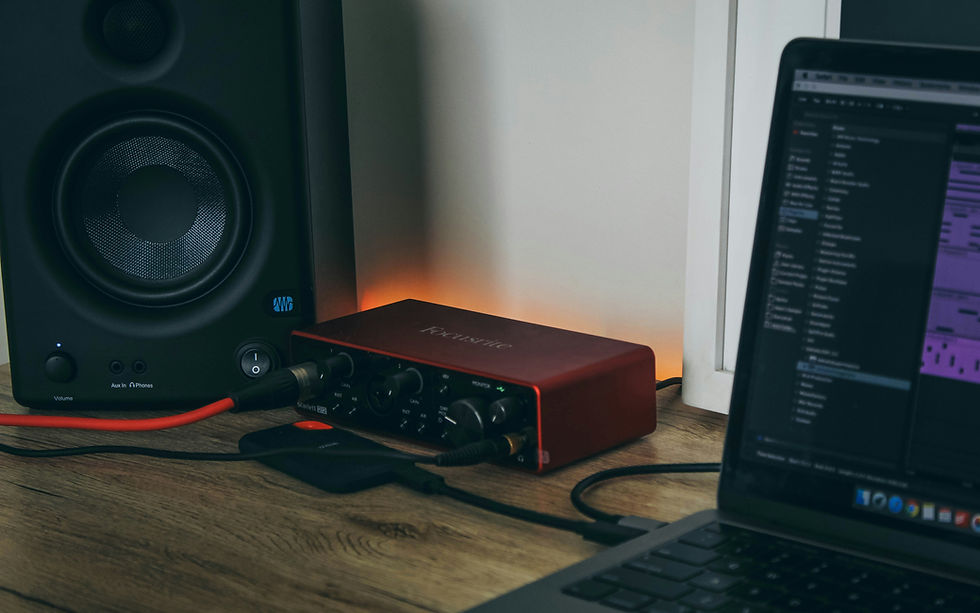
A music video has several possible routes to an audience. The artist can upload directly to an owned YouTube channel, work through a video distributor or label partner for services such as Vevo and selected streaming outlets, publish campaign edits natively on social platforms, and provide secure review or download links to press, promoters, collaborators, and brand partners. These routes work together, but they do not use identical files, metadata, or approval processes.
Direct distribution gives the artist immediate control over scheduling, thumbnails, descriptions, premieres, comments, playlists, cards, subtitles, and channel analytics. Distributor-led delivery may provide access to additional music-video networks, structured reporting, rights administration, or platform relationships. Social distribution reaches discovery feeds with short vertical edits rather than expecting viewers to leave the app for a full-length master.
The right system begins with the release objective. A debut artist may prioritize channel growth, subscriber conversion, and repeat viewing. An established act may prioritize a coordinated global premiere, connected-TV reach, press coverage, and catalog value. A virtual performer may also need reusable avatar clips, interactive assets, or performance loops that extend beyond conventional video platforms.
Distribution becomes easier when it is planned during production. Mimic’s 3D music video services can produce the master alongside campaign-ready stills, alternate framing, avatar assets, and social edits instead of rebuilding them after delivery.
Treat distribution as part of the creative brief, not a final administrative task. Decide where the video must appear, who owns each channel, what the release date means in every time zone, which collaborator approvals are required, and which assets must be available before the first announcement.
YouTube, Official Artist Channels, and Vevo

YouTube remains the central public home for many music videos because it combines search, recommendations, subscriptions, playlists, comments, premieres, short-form discovery, and long-term catalog viewing. An artist-controlled upload can be published through the artist’s own channel with complete control over presentation. Before release, confirm that the channel name, artwork, links, playlists, permissions, and account security are ready for campaign traffic.
A YouTube Official Artist Channel brings an artist’s music presence into one recognized destination when eligibility requirements are met. YouTube explains that an Official Artist Channel can consolidate subscribers and music content associated with the artist, including an existing channel, topic presence, and an available Vevo channel. Artists should coordinate with their label, distributor, or music service partner rather than creating competing channel structures.
Vevo is a music-video network rather than a normal self-service upload button. Vevo states that signed and unsigned artists can deliver premium videos through approved content partners, including labels and independent distributors. Vevo content is strongly associated with YouTube, while Vevo also distributes programming across connected-TV and streaming environments. Availability, fees, territories, reporting, and rights services depend on the chosen partner.
Do not upload the same master through multiple routes without checking channel and asset ownership. Duplicate deliveries can split views, confuse fans, complicate content claims, or create conflicting metadata. Choose the canonical release destination first, document who is delivering it, and decide how every supporting channel will point back to that destination.
A strong canonical upload benefits from a coherent visual identity. The guide to artist avatar strategy shows how consistent characters and worlds can connect videos, virtual performances, covers, and fan content across multiple releases.
For campaigns built around a digital performer, see how digital avatars for music videos support recognizable artist identity while preserving reusable production assets.
Prepare the Master, Metadata, and Rights Before Delivery

Distribution problems often begin before the distributor receives the file. A technically excellent video can still miss a launch because the master, audio, metadata, credits, ownership, or artwork is incomplete. Build one approved release package and make it the source of truth for every partner. Keep version names clear so no one mistakes an old review export for the final master.
Final high-quality master in the required codec, resolution, frame rate, aspect ratio, and audio specification.
Approved clean thumbnail or cover frame without unreadable text, accidental logos, or unlicensed artwork.
Artist name, featured artists, track title, version title, label, copyright lines, genre, language, release date, and territory information.
Song identifiers and video identifiers when required by the distributor, label, rights manager, or platform workflow.
Full production and music credits, including director, producer, performers, writers, publishers, labels, and visual vendors.
Caption and subtitle files, lyric checks, accessibility review, age suitability, and content warnings where relevant.
Written approvals for artist likeness, featured performers, locations, artwork, footage, trademarks, choreography, and third-party assets.
Check the relationship between the sound recording and the video. The team must know who controls the master recording, composition, visual master, featured performances, and any sampled material. A video upload does not erase music rights obligations, and a music distributor’s audio agreement may not automatically cover video delivery.
Digital production adds another layer of ownership. Confirm who owns the scan, 3D model, rig, motion-capture data, virtual wardrobe, environment, animation, and final renders. Define whether those assets can be reused in social edits, tour screens, games, virtual concerts, merchandise, or future videos. Restrictions that remain unclear at launch can block the most valuable campaign extensions.
The music video VFX guide explains how CGI, avatars, and AI-enhanced visuals fit into a rights-aware production pipeline.
For performance data and reusable animation, review motion capture music video production before signing off on delivery and future-use terms.
Build a Platform-Specific Release System

One master should generate a family of intentional platform assets. The full video may be horizontal, but discovery increasingly happens through vertical feeds, short previews, creator collaborations, fan reposts, reaction formats, and behind-the-scenes clips. Cropping the final master at the last minute often removes the artist, breaks composition, or hides key action. Plan safe framing and alternate cameras while scenes are still being designed.
Create a release calendar that works backward from the premiere. Reserve time for distributor review, metadata corrections, channel setup, captioning, thumbnail approval, press outreach, collaborator confirmation, and platform scheduling. The first public teaser should appear only after the final destination and release date are stable. Repeated date changes weaken press coordination and fan trust.
Four to six weeks before release: lock the distribution route, rights, master specification, channel ownership, and premiere date.
Three weeks before release: deliver the final master, metadata, thumbnail, captions, credits, and partner approvals.
Two weeks before release: begin announcement assets, press pitching, pre-save or reminder activity, and collaborator scheduling.
Release week: publish native teasers, activate the premiere or canonical link, update profiles, coordinate reposts, and respond to early audience signals.
Weeks after release: rotate new hooks, behind-the-scenes material, performance clips, avatar moments, breakdowns, and localized captions instead of repeating one trailer.
Every platform asset needs a job. A six-second loop can create recognition, a 15-second hook can test visual and musical combinations, a 30-second narrative cut can build curiosity, and a behind-the-scenes clip can demonstrate authenticity and craft. The call to action should match the stage of the campaign: follow, set a reminder, watch the premiere, save the track, join a mailing list, or explore a related performance.
Virtual and CGI projects can produce unusually rich asset libraries. Virtual production for music videos helps teams approve environments and camera paths early while preparing multiple outputs from the same digital world.
The music video previsualization workflow is also useful for identifying vertical-safe moments, thumbnail frames, and campaign shots before final rendering.
Measure Results and Extend the Campaign

Distribution is complete only when the team can learn from the release. Establish a shared reporting view that separates reach from meaningful audience behavior. Views matter, but they do not explain whether people stayed, returned, subscribed, explored the catalog, shared the video, or moved toward a ticket, product, or fan-community action.
Audience retention and the exact moments where viewers leave, replay, or share.
Traffic sources, search terms, suggested-video placement, playlist activity, and external referrals.
Subscriber or follower growth linked to the release period.
Thumbnail click-through rate, premiere participation, comments, saves, shares, and repeat viewers.
Performance by territory, language, device, platform, edit length, and creative hook.
Conversion to streaming, mailing lists, ticket pages, merchandise, community channels, or the next piece of content.
Use the first week as a learning window, not a final verdict. If a hook performs well in a vertical clip, create more variations around that moment. If viewers repeatedly replay a transformation, character entrance, dance move, or virtual-camera sequence, promote that image across thumbnails, stills, breakdowns, and live visuals. If a platform audience responds to process content, release production diaries rather than another generic trailer.
Keep the canonical video stable while refreshing the surrounding campaign. Changing titles, thumbnails, descriptions, subtitles, and playlist placement may improve discovery, but coordinate major metadata changes with the distributor or label when they control the asset. Maintain a change log so the team can connect performance shifts to specific actions.
A reusable character system can carry attention into later releases. Animated music video services compares formats that can support music videos, social loops, visualizers, and immersive campaign content.
For AI-assisted concept development with artist control, the AI music video production plan outlines approvals, likeness rules, visual consistency, and reusable delivery assets.
Archive the final masters, captions, thumbnails, metadata, contracts, credits, analytics snapshots, and reusable assets after the campaign. A clean archive shortens future reissues, anniversary content, compilations, tour packages, localized versions, and catalog licensing. Distribution is therefore not just a launch action; it is the system that protects the video’s long-term value.
Frequently Asked Questions
What is music video distribution?
Music video distribution is the preparation, delivery, publishing, and management of a video across destinations such as an artist’s YouTube channel, Vevo through approved partners, selected streaming outlets, social platforms, press channels, and connected-TV environments.
Can I distribute a music video directly to YouTube?
Yes. Artists can upload directly to a channel they control. Prepare the final master, thumbnail, title, description, credits, captions, playlists, rights information, scheduling, and account permissions before release.
How does an artist get a Vevo channel?
Vevo says signed and unsigned artists can deliver premium music videos through approved content partners, including labels and independent distributors. Artists should compare partner fees, territories, rights terms, reporting, and support before choosing one.
What is a YouTube Official Artist Channel?
An Official Artist Channel is YouTube’s recognized artist destination. When eligibility requirements are met, it can bring together subscribers and music content associated with the artist. Setup is normally coordinated through a label, distributor, or music service partner.
Should I upload the same music video through several distributors?
Usually not without a documented strategy. Duplicate delivery may split views, create channel confusion, trigger ownership conflicts, or produce inconsistent metadata. Choose one canonical destination and confirm which partner controls each delivery.
How early should a music video be delivered?
Deadlines vary by partner and platform. Build several weeks into the schedule for technical review, metadata corrections, rights checks, captions, channel setup, artwork approval, and release coordination rather than delivering immediately before the premiere.
What files are needed for music video distribution?
Common requirements include a high-quality master, approved audio, thumbnail, complete metadata, credits, copyright information, captions, identifiers where required, rights confirmations, and platform-specific campaign edits.
Do social media clips need separate edits?
Yes. Native vertical or square edits usually perform better than rushed crops from a horizontal master. Plan safe framing, short hooks, captions, and calls to action during production so the artist remains clearly visible.
How should music video distribution performance be measured?
Track retention, traffic sources, click-through rate, repeat viewers, subscribers, shares, saves, territory, device, platform, creative hook, and conversion to streaming or fan actions. Views alone do not explain campaign quality.
Can CGI and avatar assets be reused after distribution?
Yes, when contracts permit. Models, rigs, motion data, environments, virtual cameras, stills, and alternate renders can support social campaigns, tour visuals, covers, virtual performances, games, and later music videos.
Conclusion
A strong music video distribution plan connects the creative master to channel ownership, technical delivery, metadata, rights, release timing, social discovery, and long-term measurement. Choose the canonical destination early, prepare one accurate release package, create native platform edits, and preserve every approved asset for future campaign use.
Planning a CGI, avatar, motion-capture, or virtual-production video that needs a complete delivery asset system? Explore Mimic Music Videos services or contact the Berlin team to develop the master and campaign outputs together.


Comments