How should an artist, label, or manager choose a music video production company that can protect the song, budget, schedule, and release campaign?
Music video production company becomes easier to plan when the team starts with the decision, audience, evidence, and delivery conditions. The tools matter, but they do not replace a clear brief or a review process that catches problems early.
This guide is written for artists, labels, managers, commissioners, and independent creative teams. It explains the workflow in practical terms and links each stage to a production partner whose creative approach, planning, rights, workflow, communication, and delivery match the release. Explore Mimic Music Videos for services, project examples, and related production guidance.
Table of Contents
What Should You Define Before Contacting a Production Company?
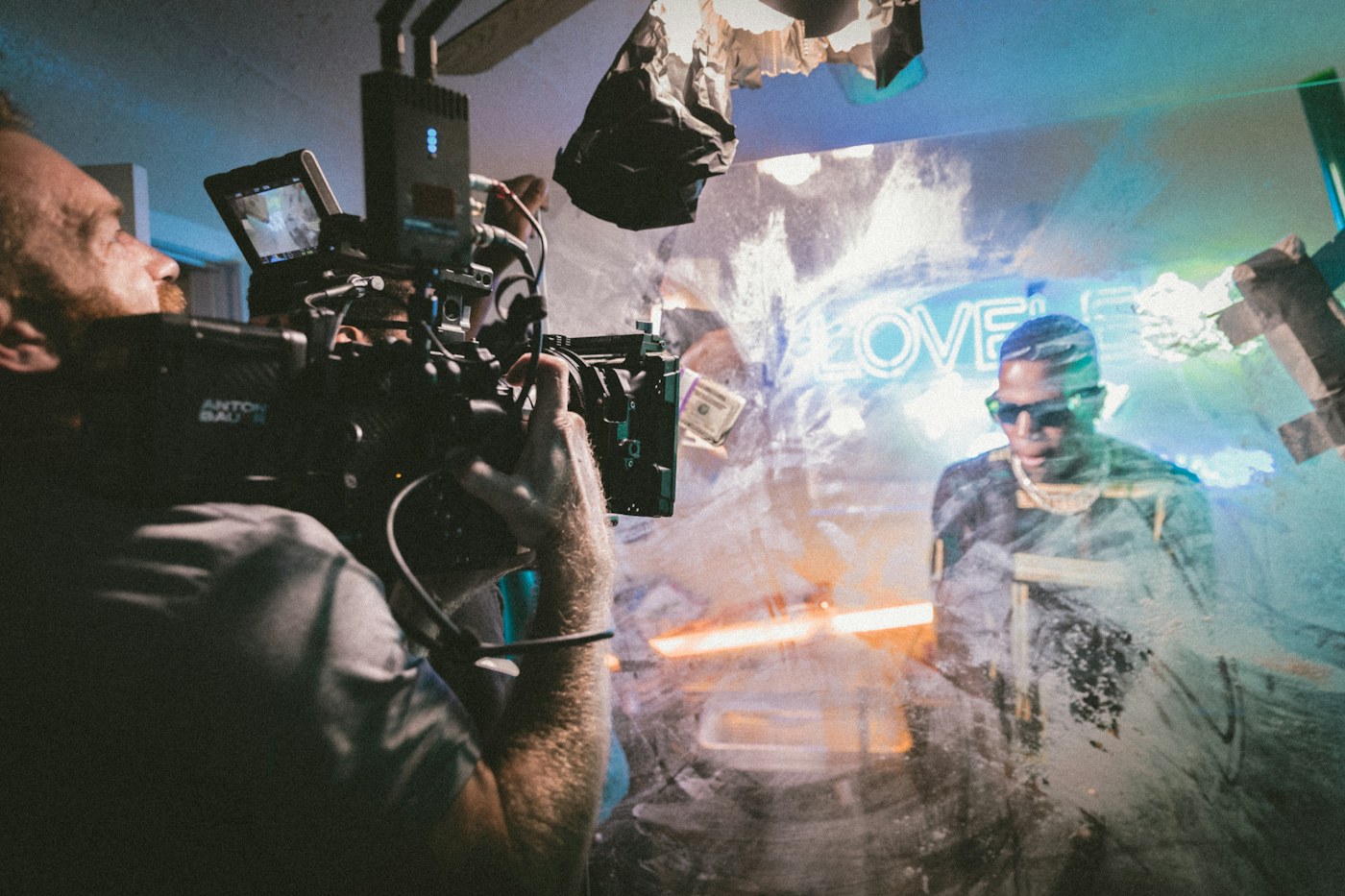
Prepare the final track, lyrics, release date, audience, campaign goal, budget range, visual references, dislikes, required formats, likeness boundaries, and approval owners.
A company cannot give a useful creative response or estimate when the brief hides the budget, deadline, or deliverables. Clear limits help the team propose an idea that can actually be made.
A practical review separates the intended result from the method used to reach it. For artists, labels, managers, commissioners, and independent creative teams, that means checking the source material, assumptions, responsibilities, intermediate approvals, and delivery conditions before scaling the work. Early evidence is cheaper to change than a nearly finished output.
Record the decision behind each approval and test the work in the context where it will be used. This helps the team distinguish a creative preference from a technical failure, missing input, or change in scope. Read a related Mimic Music Videos guide for another part of the workflow.
Good review notes describe what is wrong, where it appears, why it matters, and what a successful revision should achieve. They avoid broad reactions that force the team to guess. When several stakeholders are involved, one person should consolidate feedback, resolve contradictions, and confirm which comments are required before the next stage begins.
Before moving on, confirm the owner, inputs, expected output, review method, known limits, and one test that would reveal a weak result. That short check keeps effort focused on a production partner whose creative approach, planning, rights, workflow, communication, and delivery match the release.
How Should You Review a Music Video Portfolio?
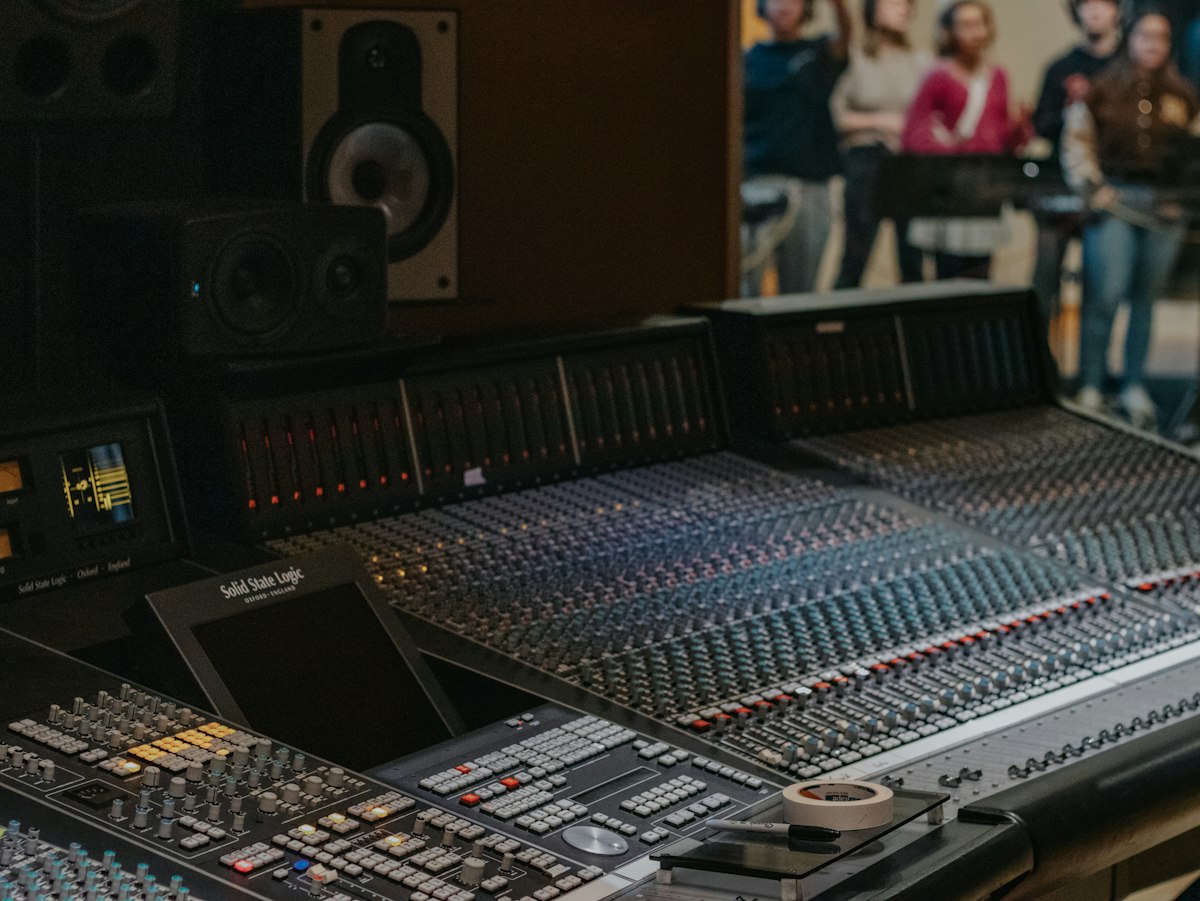
Look past surface style. Examine performance direction, visual storytelling, cinematography, production design, editing, color, VFX, and whether the artist remains the focus.
Ask which parts the company produced. A strong reel may combine work directed, serviced, edited, or finished by different teams, so credits and responsibilities matter.
A practical review separates the intended result from the method used to reach it. For artists, labels, managers, commissioners, and independent creative teams, that means checking the source material, assumptions, responsibilities, intermediate approvals, and delivery conditions before scaling the work. Early evidence is cheaper to change than a nearly finished output.
Record the decision behind each approval and test the work in the context where it will be used. This helps the team distinguish a creative preference from a technical failure, missing input, or change in scope. Read a related Mimic Music Videos guide for another part of the workflow.
Good review notes describe what is wrong, where it appears, why it matters, and what a successful revision should achieve. They avoid broad reactions that force the team to guess. When several stakeholders are involved, one person should consolidate feedback, resolve contradictions, and confirm which comments are required before the next stage begins.
Before moving on, confirm the owner, inputs, expected output, review method, known limits, and one test that would reveal a weak result. That short check keeps effort focused on a production partner whose creative approach, planning, rights, workflow, communication, and delivery match the release.
How Do You Evaluate Creative Fit?
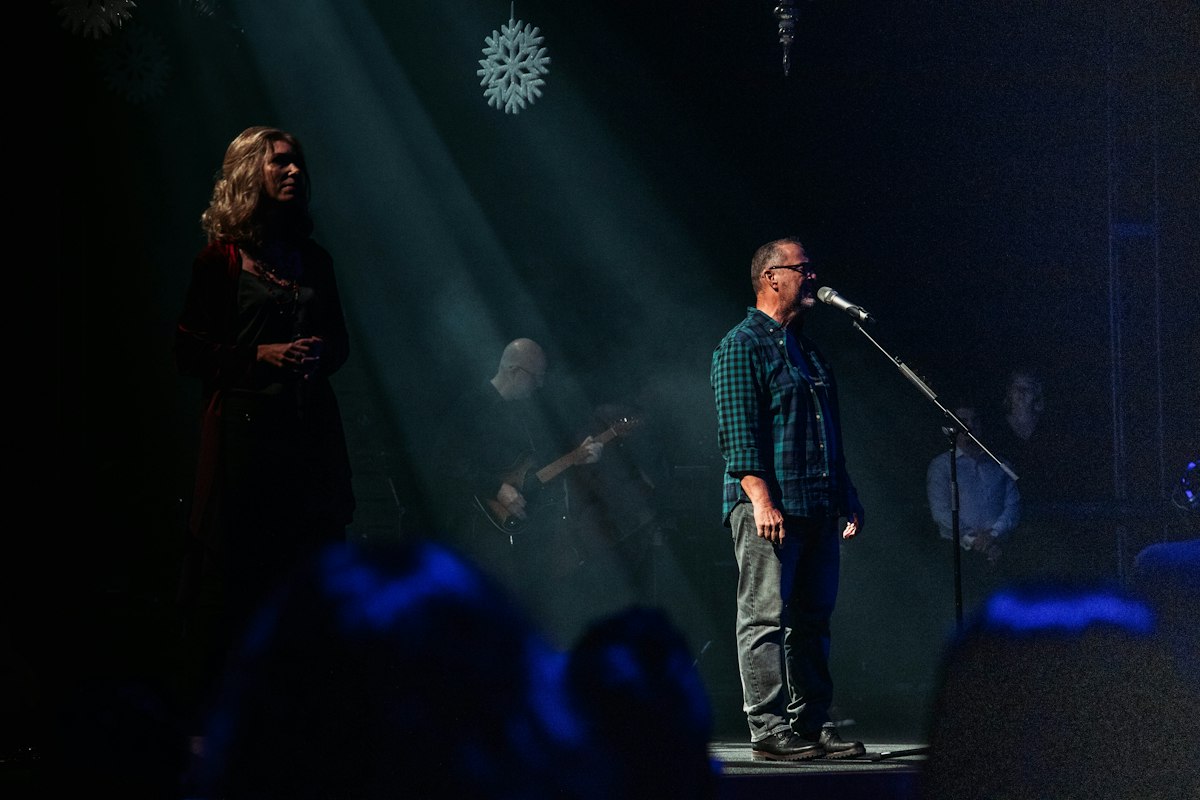
Share the song and context, then listen to the questions the team asks. Strong partners discuss tone, identity, audience, release strategy, practical limits, and what should remain distinctive about the artist.
A treatment should translate the song into specific scenes, performance, movement, world, camera language, and edit logic. Mood references alone do not explain how the video will work.
A practical review separates the intended result from the method used to reach it. For artists, labels, managers, commissioners, and independent creative teams, that means checking the source material, assumptions, responsibilities, intermediate approvals, and delivery conditions before scaling the work. Early evidence is cheaper to change than a nearly finished output.
Record the decision behind each approval and test the work in the context where it will be used. This helps the team distinguish a creative preference from a technical failure, missing input, or change in scope. Read a related Mimic Music Videos guide for another part of the workflow.
Good review notes describe what is wrong, where it appears, why it matters, and what a successful revision should achieve. They avoid broad reactions that force the team to guess. When several stakeholders are involved, one person should consolidate feedback, resolve contradictions, and confirm which comments are required before the next stage begins.
Before moving on, confirm the owner, inputs, expected output, review method, known limits, and one test that would reveal a weak result. That short check keeps effort focused on a production partner whose creative approach, planning, rights, workflow, communication, and delivery match the release.
How Should Music Video Budgets Be Compared?

Compare the assumptions behind each number: development, producer time, crew, cast, locations, equipment, art, wardrobe, travel, insurance, overtime, edit, color, VFX, music playback, rights, and versions.
The lowest total may exclude important work or depend on an unrealistic schedule. Ask what is included, what can change, how revisions are handled, and which costs remain provisional.
A practical review separates the intended result from the method used to reach it. For artists, labels, managers, commissioners, and independent creative teams, that means checking the source material, assumptions, responsibilities, intermediate approvals, and delivery conditions before scaling the work. Early evidence is cheaper to change than a nearly finished output.
Record the decision behind each approval and test the work in the context where it will be used. This helps the team distinguish a creative preference from a technical failure, missing input, or change in scope. Read a related Mimic Music Videos guide for another part of the workflow.
Good review notes describe what is wrong, where it appears, why it matters, and what a successful revision should achieve. They avoid broad reactions that force the team to guess. When several stakeholders are involved, one person should consolidate feedback, resolve contradictions, and confirm which comments are required before the next stage begins.
Before moving on, confirm the owner, inputs, expected output, review method, known limits, and one test that would reveal a weak result. That short check keeps effort focused on a production partner whose creative approach, planning, rights, workflow, communication, and delivery match the release.
What Production Workflow Should You Expect?
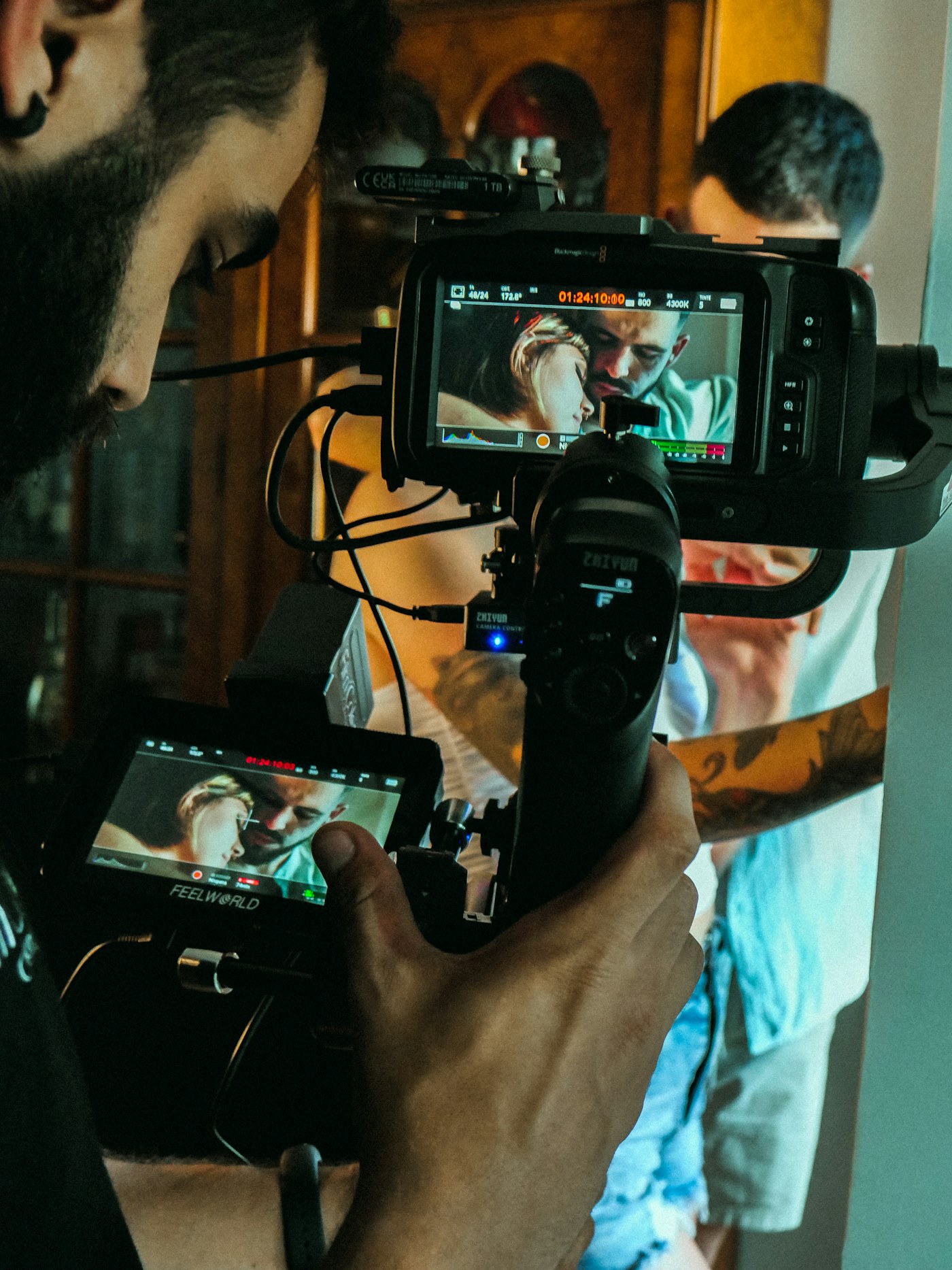
A clear workflow covers treatment, budget approval, pre-production, casting and locations, shoot planning, filming, edit stages, feedback, color, VFX, sound, titles, quality control, and delivery.
Agree on who gives consolidated notes and how many review rounds are included. Conflicting feedback from several stakeholders can delay the edit and weaken the creative direction.
A practical review separates the intended result from the method used to reach it. For artists, labels, managers, commissioners, and independent creative teams, that means checking the source material, assumptions, responsibilities, intermediate approvals, and delivery conditions before scaling the work. Early evidence is cheaper to change than a nearly finished output.
Record the decision behind each approval and test the work in the context where it will be used. This helps the team distinguish a creative preference from a technical failure, missing input, or change in scope. Read a related Mimic Music Videos guide for another part of the workflow.
Good review notes describe what is wrong, where it appears, why it matters, and what a successful revision should achieve. They avoid broad reactions that force the team to guess. When several stakeholders are involved, one person should consolidate feedback, resolve contradictions, and confirm which comments are required before the next stage begins.
Before moving on, confirm the owner, inputs, expected output, review method, known limits, and one test that would reveal a weak result. That short check keeps effort focused on a production partner whose creative approach, planning, rights, workflow, communication, and delivery match the release.
Which Rights, Files, and Deliverables Matter?
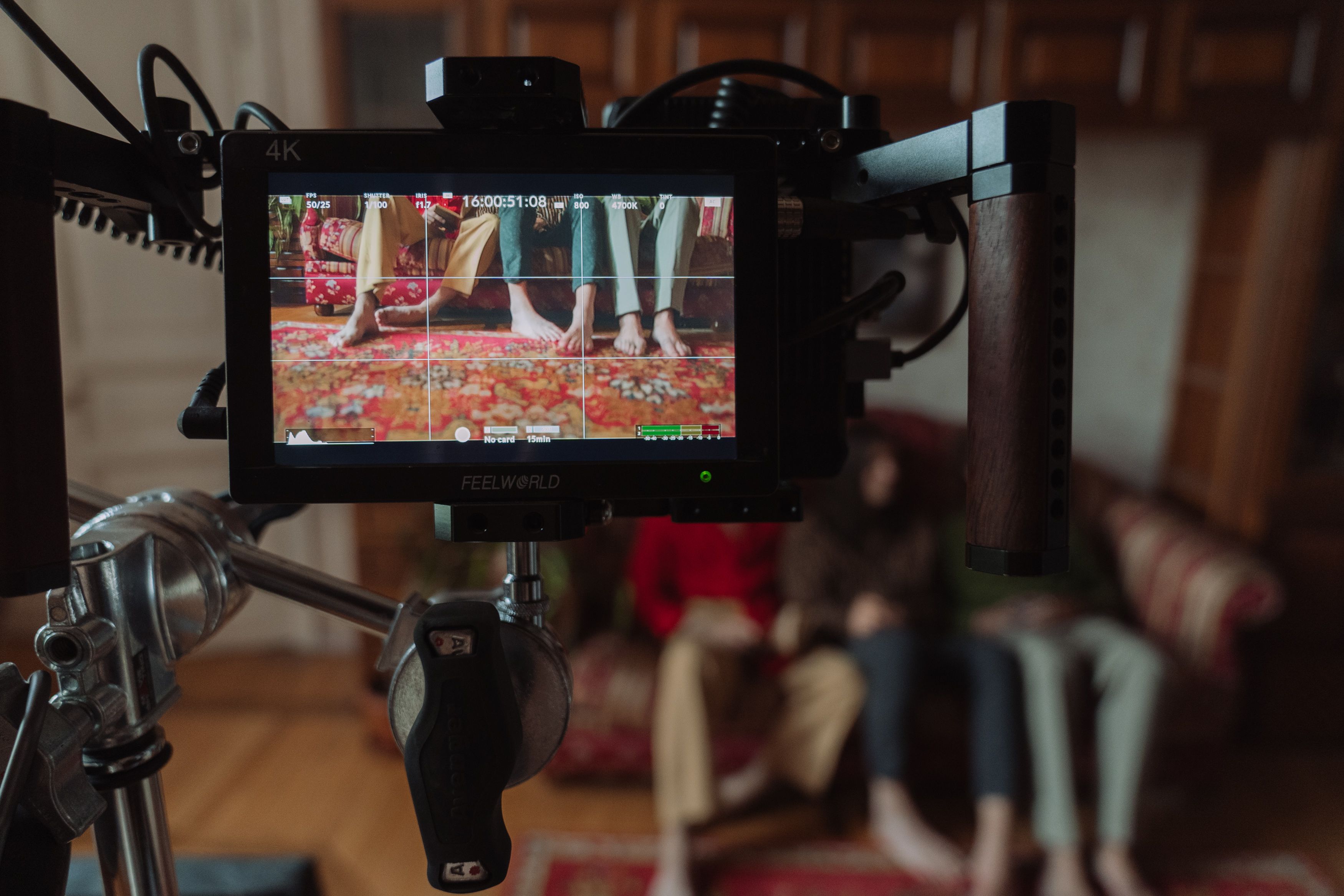
Contracts should address usage, territories, duration, artist likeness, cast and location releases, music, fonts, stock, artwork, AI tools, source files, archives, credits, cancellation, and portfolio use.
Confirm the main master plus vertical, square, teaser, clean, captioned, thumbnail, broadcast, and territory versions needed by the campaign. Delivery should be planned before the shoot, not requested after the archive is closed.
A practical review separates the intended result from the method used to reach it. For artists, labels, managers, commissioners, and independent creative teams, that means checking the source material, assumptions, responsibilities, intermediate approvals, and delivery conditions before scaling the work. Early evidence is cheaper to change than a nearly finished output.
Record the decision behind each approval and test the work in the context where it will be used. This helps the team distinguish a creative preference from a technical failure, missing input, or change in scope. Read a related Mimic Music Videos guide for another part of the workflow.
Good review notes describe what is wrong, where it appears, why it matters, and what a successful revision should achieve. They avoid broad reactions that force the team to guess. When several stakeholders are involved, one person should consolidate feedback, resolve contradictions, and confirm which comments are required before the next stage begins.
Before moving on, confirm the owner, inputs, expected output, review method, known limits, and one test that would reveal a weak result. That short check keeps effort focused on a production partner whose creative approach, planning, rights, workflow, communication, and delivery match the release.
Frequently Asked Questions
When should an artist hire a music video production company?
Start early enough for concept development, budgeting, pre-production, filming, post-production, approvals, and delivery before the release campaign begins.
Should I choose a director or a production company first?
Either route can work. Some companies represent directors, while independent directors bring a producer or company after the creative approach is selected.
How many companies should I approach?
Approach a small, relevant group that fits the music, scale, location, and budget. Too many unpaid pitches can waste time and produce shallow responses.
What should a treatment include?
It should explain the concept, artist portrayal, narrative or performance structure, visual world, camera language, production design, edit rhythm, and practical approach.
How much does a music video production company charge?
Fees depend on the concept, crew, cast, locations, equipment, art direction, travel, post-production, VFX, rights, schedule, and deliverables.
Who owns the finished music video?
Ownership and usage depend on the contract. Agree on masters, source files, music, likeness, stock, artwork, portfolio use, territories, and duration before production.
How many revision rounds are normal?
The agreement should define review stages and included rounds. A common structure includes rough cut, revised cut, picture lock, color and VFX review, then final delivery.
Can one company handle animation, VFX, and live action?
Some integrated teams can. Ask for relevant examples, named leads, pipeline details, schedule assumptions, and whether specialist work is subcontracted.
What are warning signs when choosing a company?
Watch for unclear credits, vague budgets, missing contracts, unrealistic schedules, no rights discussion, weak communication, and promises that ignore the brief.
What files should be delivered?
Request the agreed masters and campaign versions, captions, thumbnails, project or archive materials where contracted, cue sheets, release records, and a clear file list.
Conclusion
Music video production company works best when creative ambition and practical planning support each other. Define the result, gather the right inputs, review important decisions early, and keep the final use in view throughout production.
If you are planning a related project, contact Mimic Music Videos to discuss the brief, schedule, workflow, review stages, and required deliverables.