What is music video production, and what has to happen between an approved song and a finished video ready for release?
What is music video production is a practical production question, not a software definition. The useful answer connects creative intent, technical method, budget, review, and delivery. This guide explains that process for artists, labels, managers, commissioners, directors, and independent production teams.
The goal is a release-ready visual that serves the song, gives the artist a clear screen identity, and arrives in the formats required by the campaign. Explore Mimic Music Videos for related services and project examples, then use the sections below to plan a realistic brief and approval process.
Table of Contents
What Is Music Video Production?

Music video production is the coordinated creative and technical process used to turn a recorded track into a finished visual. It covers development, treatment, budgeting, pre-production, filming, post-production, approvals, and delivery.
The practical question is not whether the team can produce a sophisticated result, but whether the chosen method answers the brief. For artists, labels, managers, commissioners, directors, and independent production teams, the work should be divided into inputs, decisions, production tasks, review points, and measurable delivery criteria. That structure makes cost and responsibility visible before late changes become expensive.
Quality depends on relationships between details. Timing, scale, continuity, context, accessibility, image or data integrity, and delivery requirements must work together. A polished surface cannot rescue a weak source, an unclear approval chain, or a test that does not represent real use. Review the work in context and record specific evidence instead of relying on general reactions. Read a related Mimic Music Videos guide for a connected example.
Turn this section into a working checklist. Confirm the intended audience, source material, assumptions, owner of each approval, output format, and one test that would expose a bad result. Review an early sample before scaling. This keeps revisions focused on a release-ready visual that serves the song, gives the artist a clear screen identity, and arrives in the formats required by the campaign.
How Does a Music Video Concept Begin?

The team studies the song, lyrics, artist identity, audience, campaign, and budget. A concept becomes useful when it can be expressed through specific locations, performance, narrative, choreography, production design, camera language, and an achievable schedule.
The practical question is not whether the team can produce a sophisticated result, but whether the chosen method answers the brief. For artists, labels, managers, commissioners, directors, and independent production teams, the work should be divided into inputs, decisions, production tasks, review points, and measurable delivery criteria. That structure makes cost and responsibility visible before late changes become expensive.
Quality depends on relationships between details. Timing, scale, continuity, context, accessibility, image or data integrity, and delivery requirements must work together. A polished surface cannot rescue a weak source, an unclear approval chain, or a test that does not represent real use. Review the work in context and record specific evidence instead of relying on general reactions. Read a related Mimic Music Videos guide for a connected example.
Turn this section into a working checklist. Confirm the intended audience, source material, assumptions, owner of each approval, output format, and one test that would expose a bad result. Review an early sample before scaling. This keeps revisions focused on a release-ready visual that serves the song, gives the artist a clear screen identity, and arrives in the formats required by the campaign.
What Happens During Music Video Pre-Production?
Pre-production locks the treatment, script or beat sheet, storyboard, shot list, schedule, budget, crew, casting, locations, permits, insurance, equipment, art direction, wardrobe, hair, makeup, transport, playback, and safety planning.
The practical question is not whether the team can produce a sophisticated result, but whether the chosen method answers the brief. For artists, labels, managers, commissioners, directors, and independent production teams, the work should be divided into inputs, decisions, production tasks, review points, and measurable delivery criteria. That structure makes cost and responsibility visible before late changes become expensive.
Quality depends on relationships between details. Timing, scale, continuity, context, accessibility, image or data integrity, and delivery requirements must work together. A polished surface cannot rescue a weak source, an unclear approval chain, or a test that does not represent real use. Review the work in context and record specific evidence instead of relying on general reactions. Read a related Mimic Music Videos guide for a connected example.
Turn this section into a working checklist. Confirm the intended audience, source material, assumptions, owner of each approval, output format, and one test that would expose a bad result. Review an early sample before scaling. This keeps revisions focused on a release-ready visual that serves the song, gives the artist a clear screen identity, and arrives in the formats required by the campaign.
How Is a Music Video Filmed?
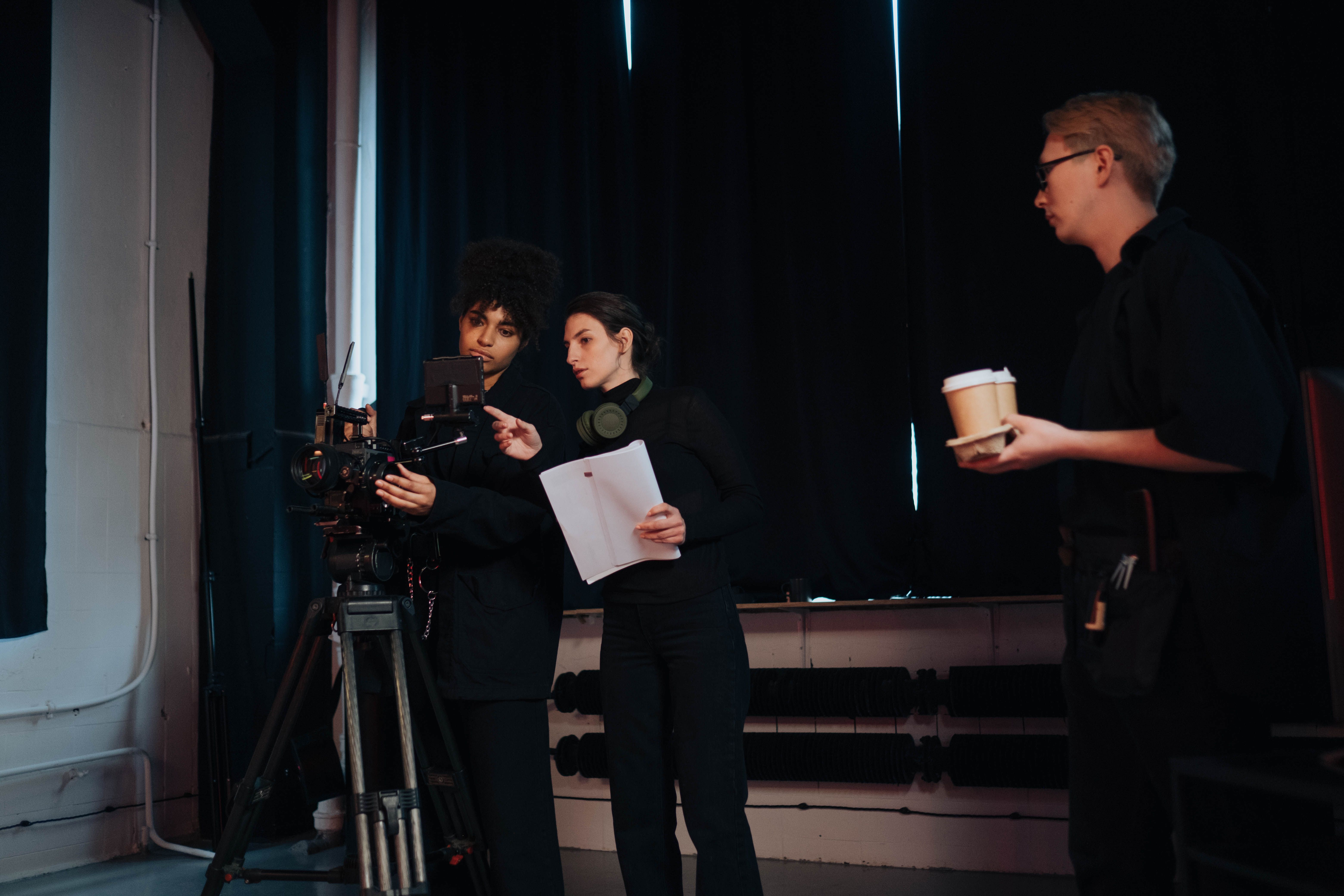
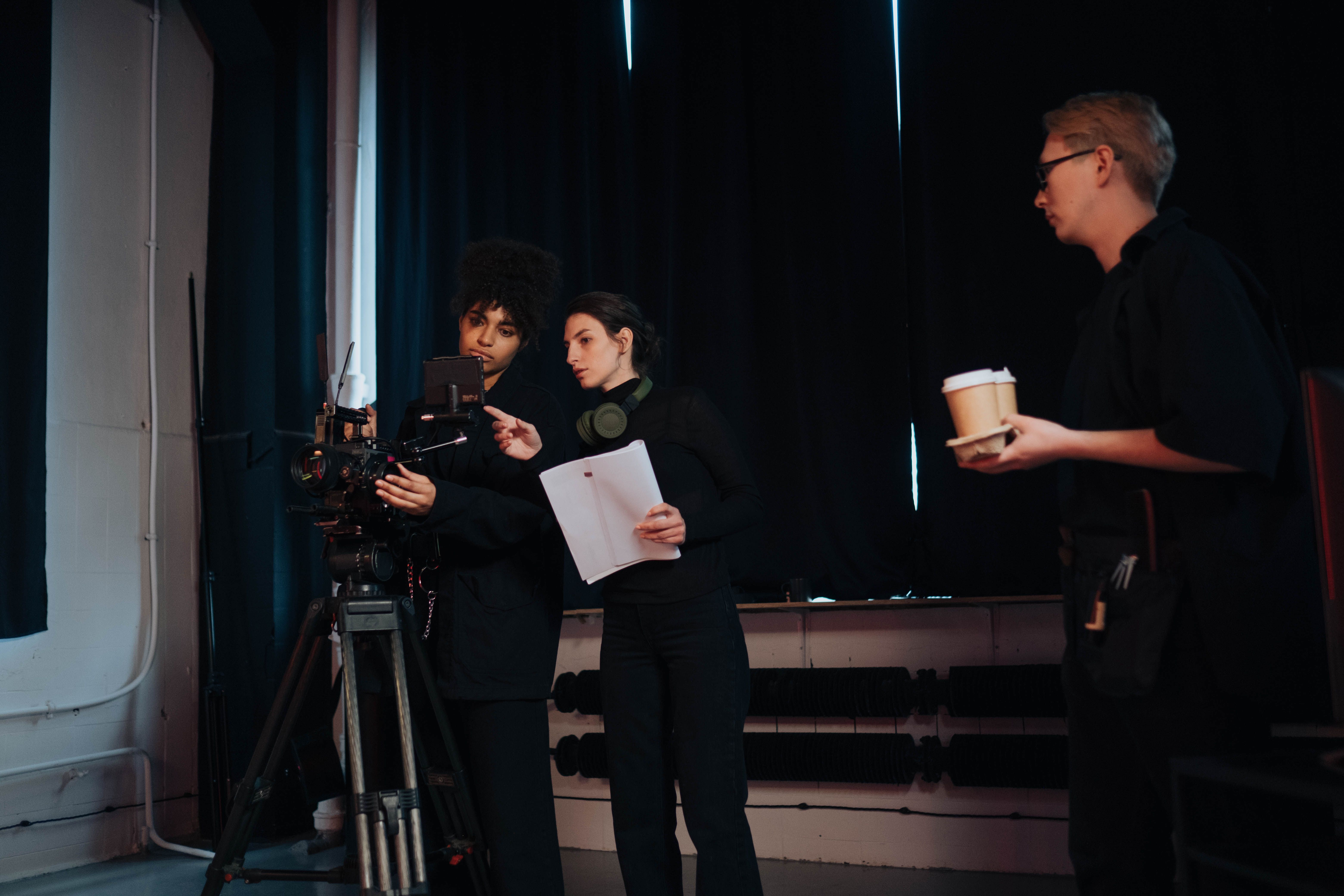
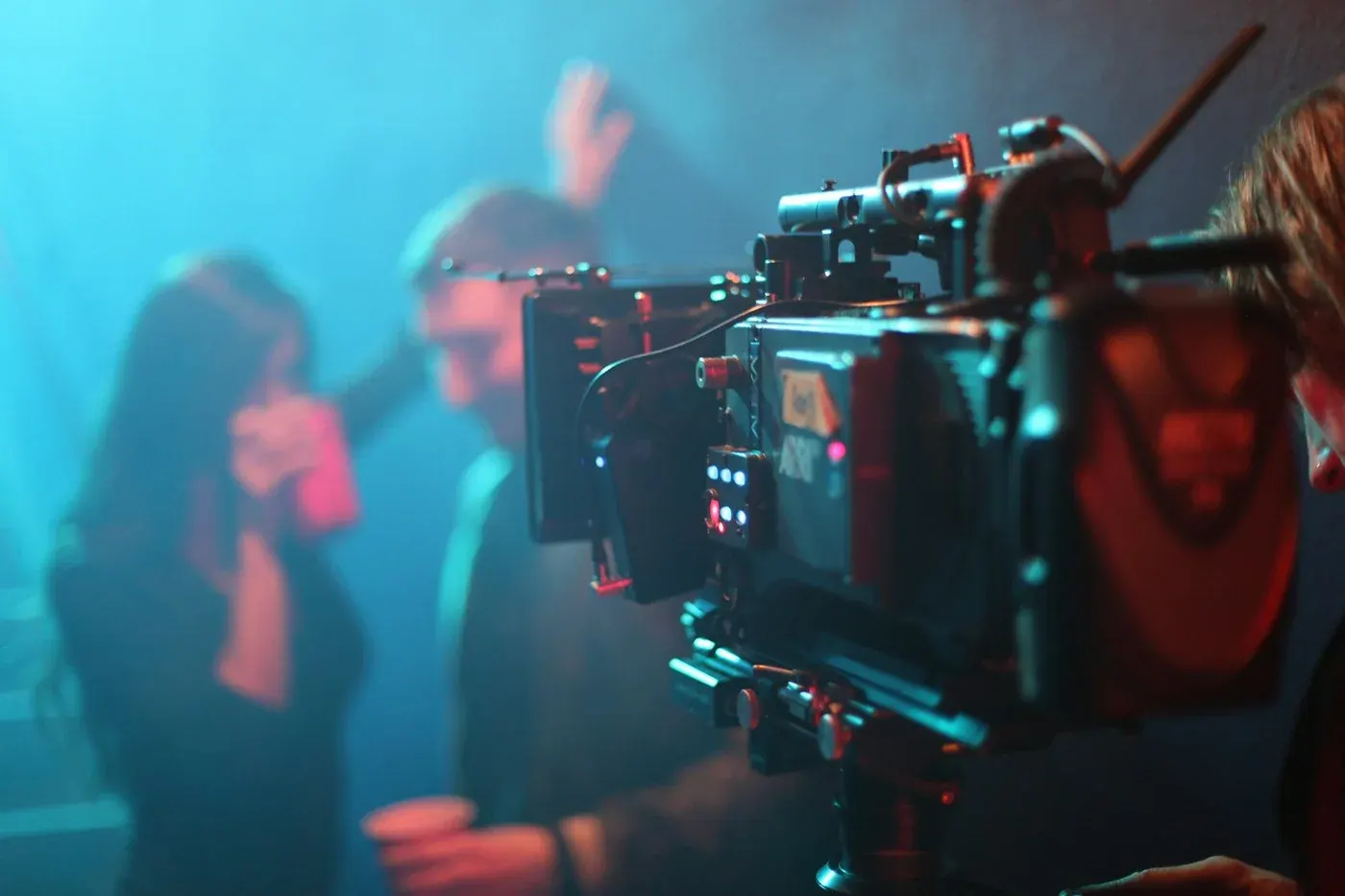
Production balances performance energy with repeatable coverage. Playback and timecode support sync. The director, cinematographer, choreographer, art department, and assistant director coordinate camera movement, lighting changes, continuity, and the day’s priorities.
The practical question is not whether the team can produce a sophisticated result, but whether the chosen method answers the brief. For artists, labels, managers, commissioners, directors, and independent production teams, the work should be divided into inputs, decisions, production tasks, review points, and measurable delivery criteria. That structure makes cost and responsibility visible before late changes become expensive.
Quality depends on relationships between details. Timing, scale, continuity, context, accessibility, image or data integrity, and delivery requirements must work together. A polished surface cannot rescue a weak source, an unclear approval chain, or a test that does not represent real use. Review the work in context and record specific evidence instead of relying on general reactions. Read a related Mimic Music Videos guide for a connected example.
Turn this section into a working checklist. Confirm the intended audience, source material, assumptions, owner of each approval, output format, and one test that would expose a bad result. Review an early sample before scaling. This keeps revisions focused on a release-ready visual that serves the song, gives the artist a clear screen identity, and arrives in the formats required by the campaign.
What Happens in Music Video Post-Production?

Editors organize and sync footage, build the performance and story, and refine pacing against the track. Color, cleanup, VFX, titles, retouching, reframing, captions, and quality control follow after picture approval.
The practical question is not whether the team can produce a sophisticated result, but whether the chosen method answers the brief. For artists, labels, managers, commissioners, directors, and independent production teams, the work should be divided into inputs, decisions, production tasks, review points, and measurable delivery criteria. That structure makes cost and responsibility visible before late changes become expensive.
Quality depends on relationships between details. Timing, scale, continuity, context, accessibility, image or data integrity, and delivery requirements must work together. A polished surface cannot rescue a weak source, an unclear approval chain, or a test that does not represent real use. Review the work in context and record specific evidence instead of relying on general reactions. Read a related Mimic Music Videos guide for a connected example.
Turn this section into a working checklist. Confirm the intended audience, source material, assumptions, owner of each approval, output format, and one test that would expose a bad result. Review an early sample before scaling. This keeps revisions focused on a release-ready visual that serves the song, gives the artist a clear screen identity, and arrives in the formats required by the campaign.
What Deliverables Does a Music Video Campaign Need?
The main master is only one asset. Campaigns may need clean and texted versions, vertical edits, square crops, teasers, thumbnails, lyric clips, captioned files, broadcast-safe exports, and versions for different territories or release dates.
The practical question is not whether the team can produce a sophisticated result, but whether the chosen method answers the brief. For artists, labels, managers, commissioners, directors, and independent production teams, the work should be divided into inputs, decisions, production tasks, review points, and measurable delivery criteria. That structure makes cost and responsibility visible before late changes become expensive.
Quality depends on relationships between details. Timing, scale, continuity, context, accessibility, image or data integrity, and delivery requirements must work together. A polished surface cannot rescue a weak source, an unclear approval chain, or a test that does not represent real use. Review the work in context and record specific evidence instead of relying on general reactions. Read a related Mimic Music Videos guide for a connected example.
Turn this section into a working checklist. Confirm the intended audience, source material, assumptions, owner of each approval, output format, and one test that would expose a bad result. Review an early sample before scaling. This keeps revisions focused on a release-ready visual that serves the song, gives the artist a clear screen identity, and arrives in the formats required by the campaign.
Frequently Asked Questions
How long does music video production take?
A focused video may move from concept to delivery in a few weeks. Larger productions with casting, sets, choreography, VFX, or several approval stages need longer.
How much does a music video cost?
Cost depends on the concept, shoot days, crew, cast, locations, equipment, production design, travel, post-production, VFX, music rights, and number of deliverables.
Who writes the music video treatment?
Usually the director writes or leads the treatment, often with input from the artist, label, commissioner, producer, and creative team.
Does the track need to be final before filming?
Yes. A locked master avoids sync problems, edit changes, and repeated performance coverage caused by a revised arrangement.
What is playback on a music video set?
Playback is the song played during filming so the artist can perform in sync and the camera team can plan movement around exact musical moments.
How many shoot days are typical?
Many videos shoot in one or two days. More locations, complex lighting, extensive art builds, choreography, stunts, or narrative scenes can require more.
What does a music video producer do?
The producer turns the creative idea into a workable budget, schedule, crew, location plan, contract structure, and delivery process.
When is VFX planned?
Plan VFX during development and pre-production, especially when it changes framing, lighting, camera movement, set design, markers, clean plates, or coverage.
Who approves the final edit?
Approval usually involves the artist and the commissioning label or management team. The exact decision chain should be agreed before production.
Which versions should be delivered?
At minimum, deliver the agreed master and archive files. Most campaigns also need short, vertical, captioned, clean, and platform-specific edits.
Conclusion
What is music video production becomes useful when the team links every creative and technical choice to a clear purpose. Define the audience, inputs, limits, review evidence, and final deliverables before production expands. That approach makes quality easier to approve and problems easier to fix.
If you are planning this kind of project, contact Mimic Music Videos to discuss the brief, production plan, review stages, and required versions.