What is a performance music video, and how can an artist make a simple performance feel intentional instead of visually repetitive?
What is a performance music video is best understood as a practical production question. The answer depends on the goal, the quality of the input, and the evidence needed at delivery. This guide explains the process for independent artists, labels, managers, directors, and music marketing teams without treating software or equipment as a substitute for planning.
The useful outcome is a release-ready visual built around the artist performing the song with controlled coverage, lighting, movement, and editorial rhythm. The following sections cover the core workflow, the decisions that change cost and quality, and the checks that prevent avoidable revisions. For related examples and services, explore Mimic Music Videos and its current project guidance.
Table of Contents
What Is a Performance Music Video?
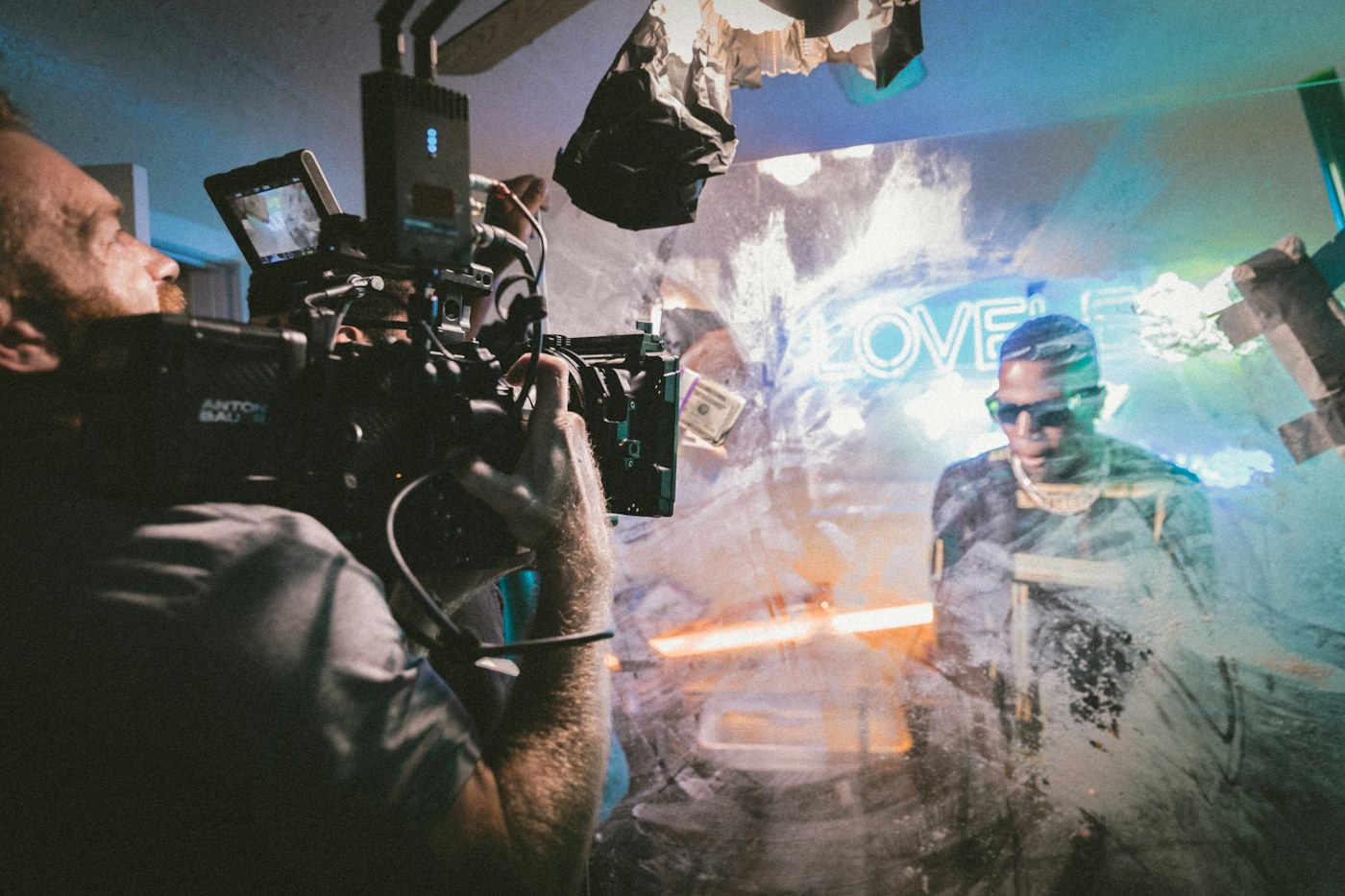
What Is a Performance Music Video? starts with the job the work must do. For independent artists, labels, managers, directors, and music marketing teams, that means defining the decision, behaviour, or visible result before choosing tools. In performance music video production, the practical scope includes the format, its relationship to live sessions and narrative videos, and why performance remains useful at every budget. Each part should connect to a requirement that can be reviewed, not a vague request for a more advanced or more impressive result.
A reliable workflow separates inputs, working assumptions, production steps, and review evidence. The team records what came from the client, what was measured or observed, what was created, and which checks support approval. This structure makes revisions easier to diagnose. It also lets another artist, engineer, teacher, or producer understand why a choice was made instead of repeating the work from the beginning.
The common failure is to optimise one visible detail while ignoring the system around it. A polished output can still fail when timing, scale, continuity, context, accessibility, or delivery requirements are wrong. Teams should test the work in the environment where it will be used, record specific problems, and assign fixes to the right stage. Late cosmetic changes cannot repair a weak brief or missing source information. See a related Mimic Music Videos guide for a connected production example.
For planning, turn this section into a short checklist: confirm the intended user, list the source material, name the owner of each approval, define the output format, and agree on one test that would reveal a bad result. Review early samples before scaling the process. This protects the schedule and keeps effort focused on a release-ready visual built around the artist performing the song with controlled coverage, lighting, movement, and editorial rhythm.
How Do You Build a Performance Video Concept?
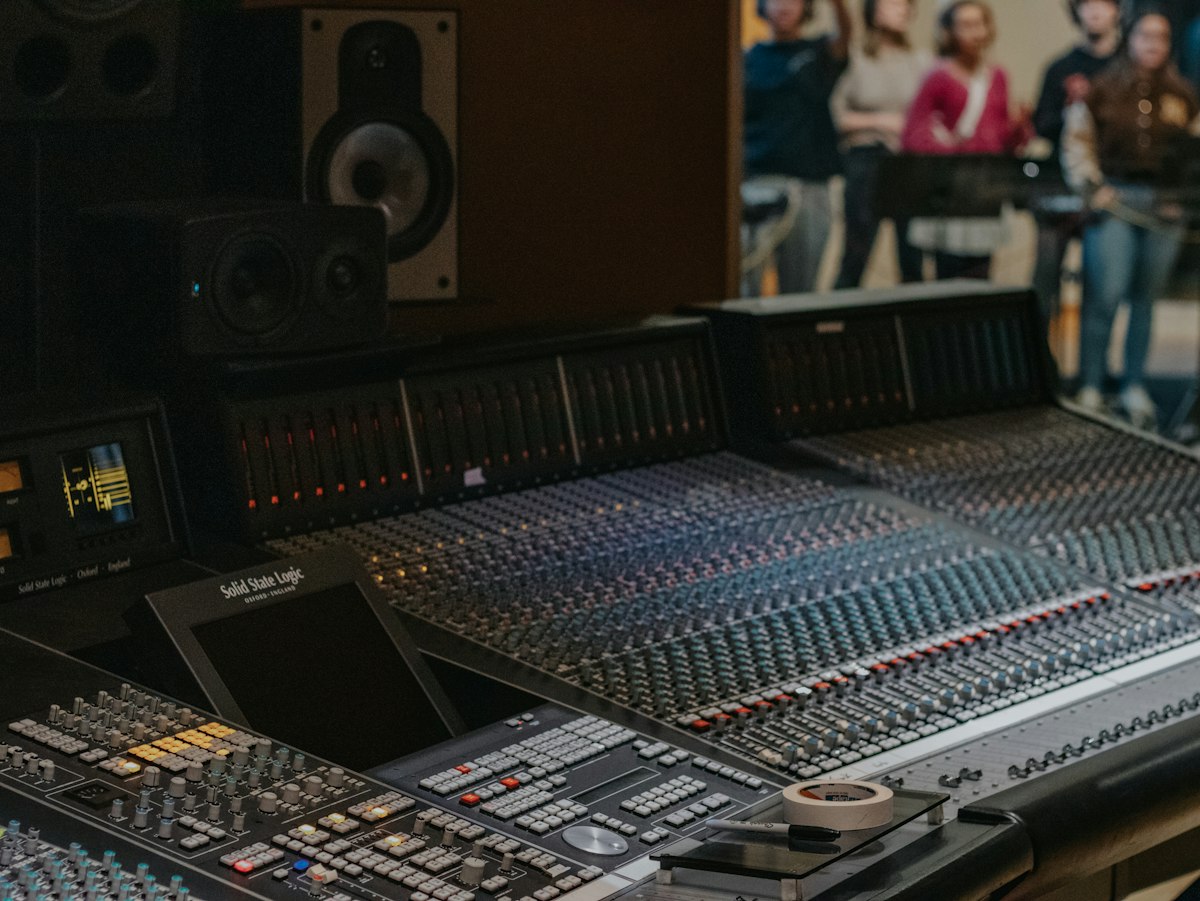
How Do You Build a Performance Video Concept? starts with the job the work must do. For independent artists, labels, managers, directors, and music marketing teams, that means defining the decision, behaviour, or visible result before choosing tools. In performance music video production, the practical scope includes song analysis, visual rules, locations, wardrobe, production design, camera language, and a clear emotional arc. Each part should connect to a requirement that can be reviewed, not a vague request for a more advanced or more impressive result.
A reliable workflow separates inputs, working assumptions, production steps, and review evidence. The team records what came from the client, what was measured or observed, what was created, and which checks support approval. This structure makes revisions easier to diagnose. It also lets another artist, engineer, teacher, or producer understand why a choice was made instead of repeating the work from the beginning.
The common failure is to optimise one visible detail while ignoring the system around it. A polished output can still fail when timing, scale, continuity, context, accessibility, or delivery requirements are wrong. Teams should test the work in the environment where it will be used, record specific problems, and assign fixes to the right stage. Late cosmetic changes cannot repair a weak brief or missing source information. See a related Mimic Music Videos guide for a connected production example.
For planning, turn this section into a short checklist: confirm the intended user, list the source material, name the owner of each approval, define the output format, and agree on one test that would reveal a bad result. Review early samples before scaling the process. This protects the schedule and keeps effort focused on a release-ready visual built around the artist performing the song with controlled coverage, lighting, movement, and editorial rhythm.
What Shots Does a Performance Music Video Need?
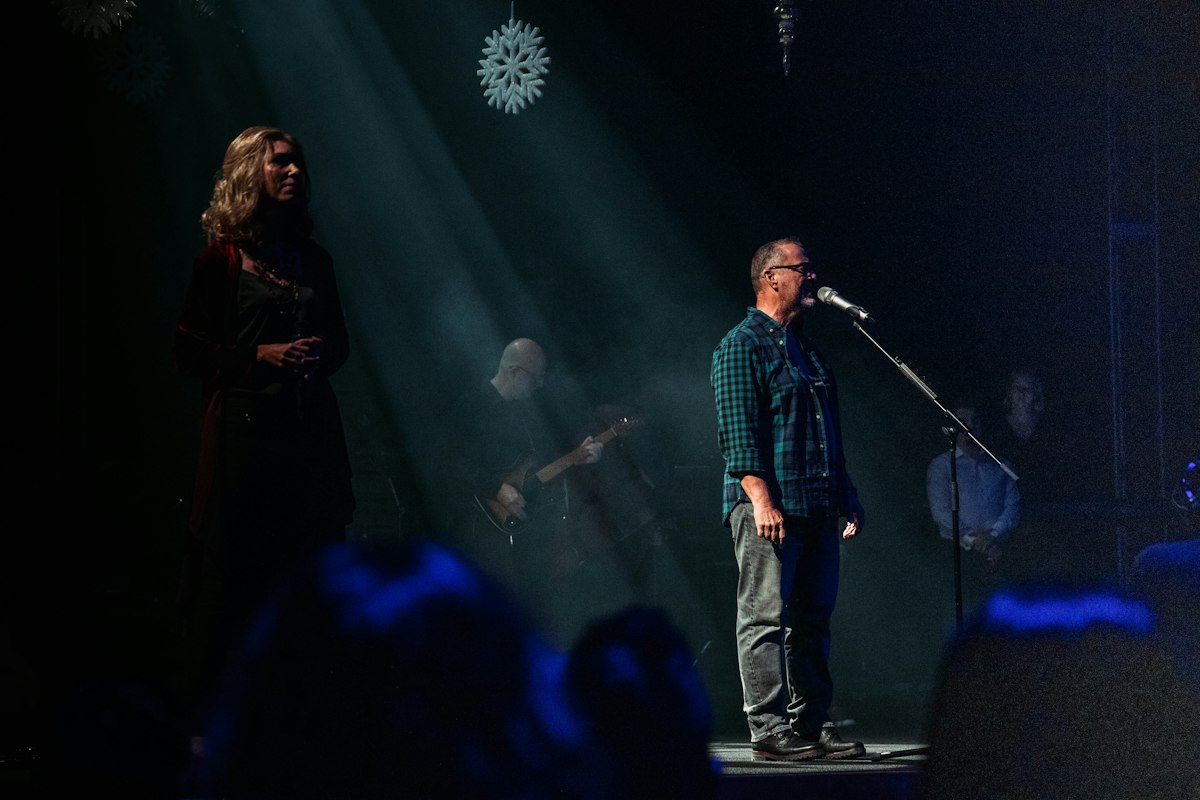
What Shots Does a Performance Music Video Need? starts with the job the work must do. For independent artists, labels, managers, directors, and music marketing teams, that means defining the decision, behaviour, or visible result before choosing tools. In performance music video production, the practical scope includes master takes, medium coverage, close-ups, inserts, movement, playback, lip sync, and continuity across multiple takes. Each part should connect to a requirement that can be reviewed, not a vague request for a more advanced or more impressive result.
A reliable workflow separates inputs, working assumptions, production steps, and review evidence. The team records what came from the client, what was measured or observed, what was created, and which checks support approval. This structure makes revisions easier to diagnose. It also lets another artist, engineer, teacher, or producer understand why a choice was made instead of repeating the work from the beginning.
The common failure is to optimise one visible detail while ignoring the system around it. A polished output can still fail when timing, scale, continuity, context, accessibility, or delivery requirements are wrong. Teams should test the work in the environment where it will be used, record specific problems, and assign fixes to the right stage. Late cosmetic changes cannot repair a weak brief or missing source information. See a related Mimic Music Videos guide for a connected production example.
For planning, turn this section into a short checklist: confirm the intended user, list the source material, name the owner of each approval, define the output format, and agree on one test that would reveal a bad result. Review early samples before scaling the process. This protects the schedule and keeps effort focused on a release-ready visual built around the artist performing the song with controlled coverage, lighting, movement, and editorial rhythm.
How Do You Direct a Convincing Artist Performance?

How Do You Direct a Convincing Artist Performance? starts with the job the work must do. For independent artists, labels, managers, directors, and music marketing teams, that means defining the decision, behaviour, or visible result before choosing tools. In performance music video production, the practical scope includes rehearsal, eyelines, energy, repeatable movement, playback volume, comfort, and matching performance intensity to the edit. Each part should connect to a requirement that can be reviewed, not a vague request for a more advanced or more impressive result.
A reliable workflow separates inputs, working assumptions, production steps, and review evidence. The team records what came from the client, what was measured or observed, what was created, and which checks support approval. This structure makes revisions easier to diagnose. It also lets another artist, engineer, teacher, or producer understand why a choice was made instead of repeating the work from the beginning.
The common failure is to optimise one visible detail while ignoring the system around it. A polished output can still fail when timing, scale, continuity, context, accessibility, or delivery requirements are wrong. Teams should test the work in the environment where it will be used, record specific problems, and assign fixes to the right stage. Late cosmetic changes cannot repair a weak brief or missing source information. See a related Mimic Music Videos guide for a connected production example.
For planning, turn this section into a short checklist: confirm the intended user, list the source material, name the owner of each approval, define the output format, and agree on one test that would reveal a bad result. Review early samples before scaling the process. This protects the schedule and keeps effort focused on a release-ready visual built around the artist performing the song with controlled coverage, lighting, movement, and editorial rhythm.
How Much Does a Performance Music Video Cost?
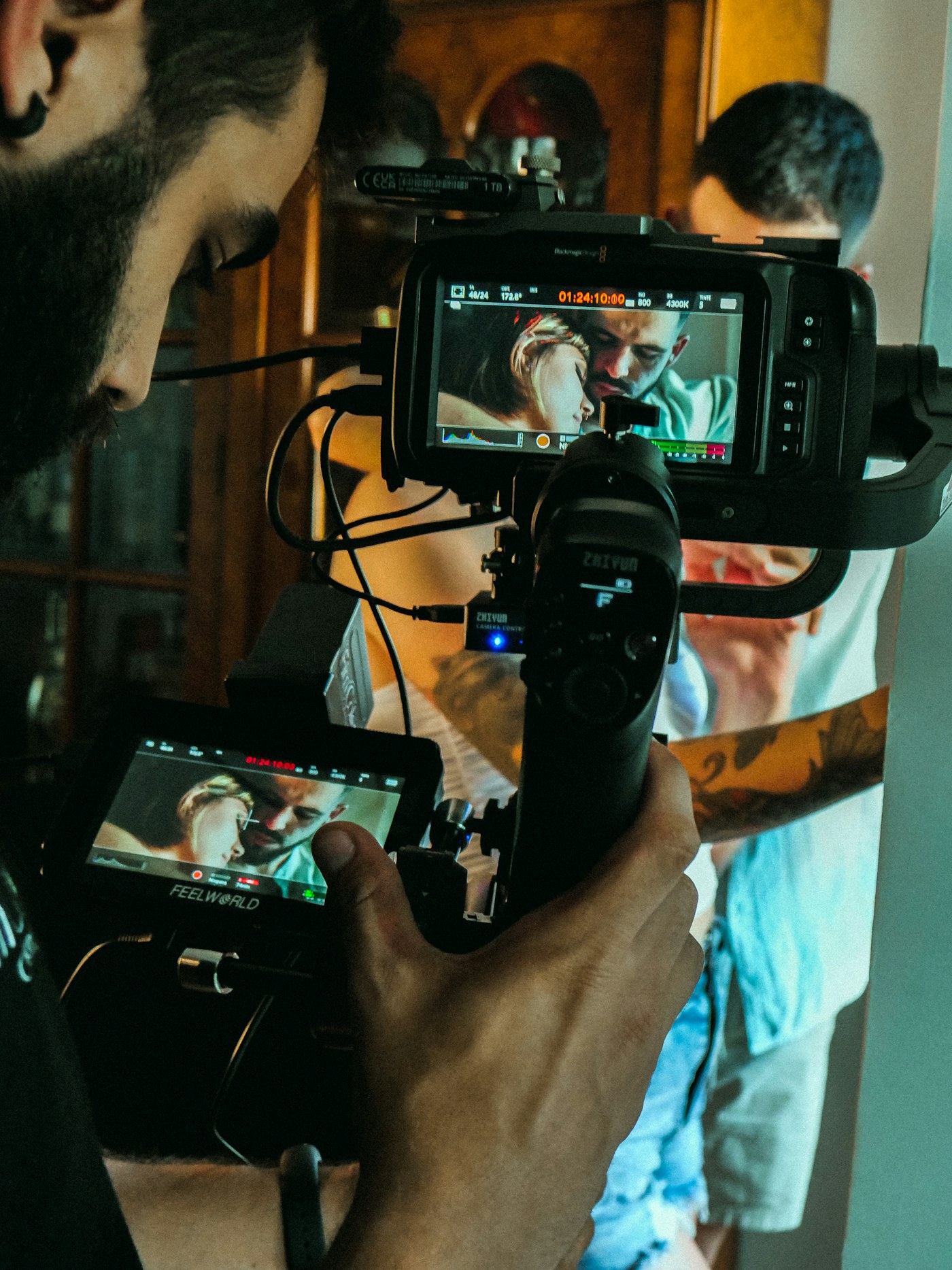
How Much Does a Performance Music Video Cost? starts with the job the work must do. For independent artists, labels, managers, directors, and music marketing teams, that means defining the decision, behaviour, or visible result before choosing tools. In performance music video production, the practical scope includes crew size, locations, lighting, camera packages, art direction, post-production, VFX, and where limited budgets should focus. Each part should connect to a requirement that can be reviewed, not a vague request for a more advanced or more impressive result.
A reliable workflow separates inputs, working assumptions, production steps, and review evidence. The team records what came from the client, what was measured or observed, what was created, and which checks support approval. This structure makes revisions easier to diagnose. It also lets another artist, engineer, teacher, or producer understand why a choice was made instead of repeating the work from the beginning.
The common failure is to optimise one visible detail while ignoring the system around it. A polished output can still fail when timing, scale, continuity, context, accessibility, or delivery requirements are wrong. Teams should test the work in the environment where it will be used, record specific problems, and assign fixes to the right stage. Late cosmetic changes cannot repair a weak brief or missing source information. See a related Mimic Music Videos guide for a connected production example.
For planning, turn this section into a short checklist: confirm the intended user, list the source material, name the owner of each approval, define the output format, and agree on one test that would reveal a bad result. Review early samples before scaling the process. This protects the schedule and keeps effort focused on a release-ready visual built around the artist performing the song with controlled coverage, lighting, movement, and editorial rhythm.
How Is a Performance Music Video Edited and Finished?
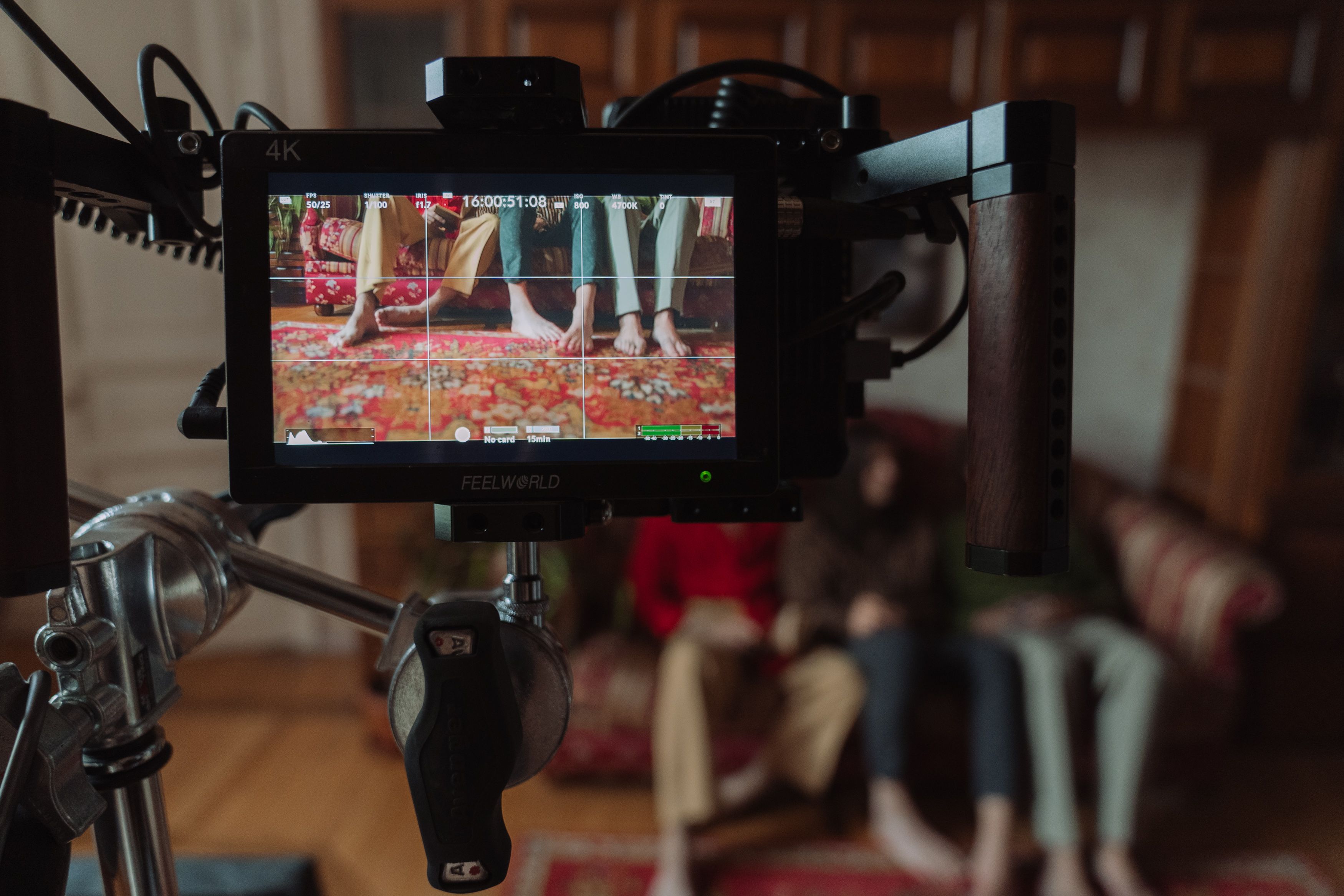
How Is a Performance Music Video Edited and Finished? starts with the job the work must do. For independent artists, labels, managers, directors, and music marketing teams, that means defining the decision, behaviour, or visible result before choosing tools. In performance music video production, the practical scope includes selects, sync, pacing, shot progression, color, cleanup, graphics, aspect ratios, captions, and platform deliverables. Each part should connect to a requirement that can be reviewed, not a vague request for a more advanced or more impressive result.
A reliable workflow separates inputs, working assumptions, production steps, and review evidence. The team records what came from the client, what was measured or observed, what was created, and which checks support approval. This structure makes revisions easier to diagnose. It also lets another artist, engineer, teacher, or producer understand why a choice was made instead of repeating the work from the beginning.
The common failure is to optimise one visible detail while ignoring the system around it. A polished output can still fail when timing, scale, continuity, context, accessibility, or delivery requirements are wrong. Teams should test the work in the environment where it will be used, record specific problems, and assign fixes to the right stage. Late cosmetic changes cannot repair a weak brief or missing source information. See a related Mimic Music Videos guide for a connected production example.
For planning, turn this section into a short checklist: confirm the intended user, list the source material, name the owner of each approval, define the output format, and agree on one test that would reveal a bad result. Review early samples before scaling the process. This protects the schedule and keeps effort focused on a release-ready visual built around the artist performing the song with controlled coverage, lighting, movement, and editorial rhythm.
Frequently Asked Questions
Is a performance music video the same as a live video?
Not always. A performance video may use studio playback and cinematic coverage, while a live video usually records a real vocal or instrumental performance.
Can a performance video tell a story?
Yes. Performance can be combined with narrative scenes, visual motifs, changing locations, choreography, or a clear emotional progression.
How many takes are needed?
Most productions record several full or partial takes at different shot sizes. The exact number depends on choreography, location time, camera movement, and the artist’s consistency.
Should the artist sing live during filming?
Usually the mastered track is played on set and the artist performs in sync. Singing along helps facial movement and breathing look natural even when production audio is not used.
What is the best location?
Choose a location that fits the song, offers enough control for sound playback and lighting, and gives the camera room to create varied coverage.
Can one camera be enough?
Yes. A planned one-camera shoot can capture strong coverage over repeated takes. Multiple cameras save time but require more coordination and can limit lighting positions.
How long does production take?
A focused studio setup may fit into one day. Several locations, lighting changes, choreography, or narrative inserts can add days.
Do performance videos need VFX?
No, but cleanup, screen replacements, stylized transitions, environment extensions, and graphic effects can expand the visual idea.
Which aspect ratios should be delivered?
Create a main 16:9 master plus planned vertical and square versions when the campaign includes YouTube Shorts, Reels, TikTok, or paid social.
What should artists prepare before the shoot?
Lock the track, approve the treatment, rehearse performance and choreography, confirm wardrobe and grooming, and review the shot plan and schedule.
Conclusion
What is a performance music video is not answered by one tool or one preset. Strong work begins with a clear objective, dependable inputs, a controlled process, and review evidence that matches the real use case. That approach makes quality easier to explain, budget, repeat, and improve.
If you are planning a project involving performance music video production, contact Mimic Music Videos to discuss the brief, source material, production steps, review points, and final deliverables.